For a home-grown potted pothos to bloom, choosing the right soil is key
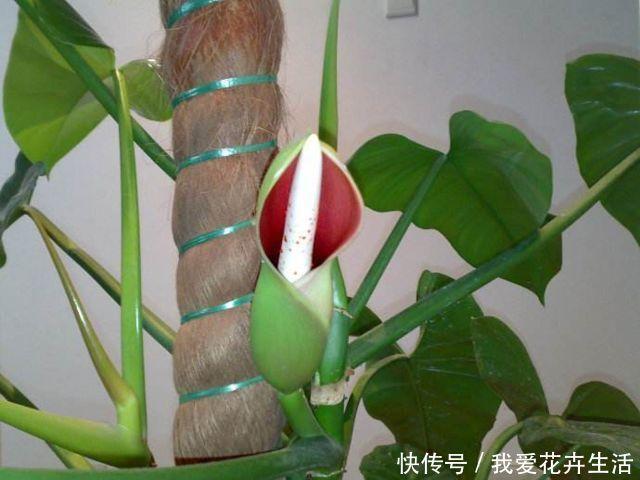
You have probably all grown a potted pothos, but you have probably never seen a pothos bloom. There are many pictures online of pothos blooming, and some newspapers have reported it too, but judging from the pictures, the one blooming is not the common pothos we know, but the emerald philodendron (Philodendron), and of course in some places this plant may be called large-leaf pothos or pothos, so how should you grow large-leaf pothos so that it blooms? As shown in the picture below, gardening friends can see that this kind of pothos has thick stems and vines and large leaves, and is not the common small potted pothos.
Large-leaf pothos can be grown in water or in soil. If you are rather lazy, you can use soil culture; the advantage of soil culture is that it does not need much care, and you can just give it the water you have left after drinking every day. Growing flowers is all about growing roots, and growing roots is all about having good soil. If you want large-leaf pothos to bloom, the soil must be chosen well. The expert suggests that the soil for growing pothos can use two parts leaf mold plus two parts garden soil, then two parts compost and one part river sand, and then change the soil every year.
Large-leaf pothos grows relatively fast, and during the growing season topdressing should be strengthened. Topdressing should be mainly nitrogen, with nitrogen, phosphorus and potassium fertilizers applied together. You can use 0.1% urea and 0.3%-0.5% diammonium phosphate, or apply 0.1%-0.2% urea solution and 0.1% potassium dihydrogen phosphate liquid fertilizer. You can also apply 15%-20% decomposed cake fertilizer liquid.
This kind of plant with lots of green leaves can absorb toxic chemicals in the office. When you have time, spray it with water. If you see a lot of dust on the leaves, please clean it off. Clean leaves can absorb more sunlight, process more carbon dioxide and release oxygen.