Orchid soft rot is preventable and controllable but hard to cure completely, so good prevention is key
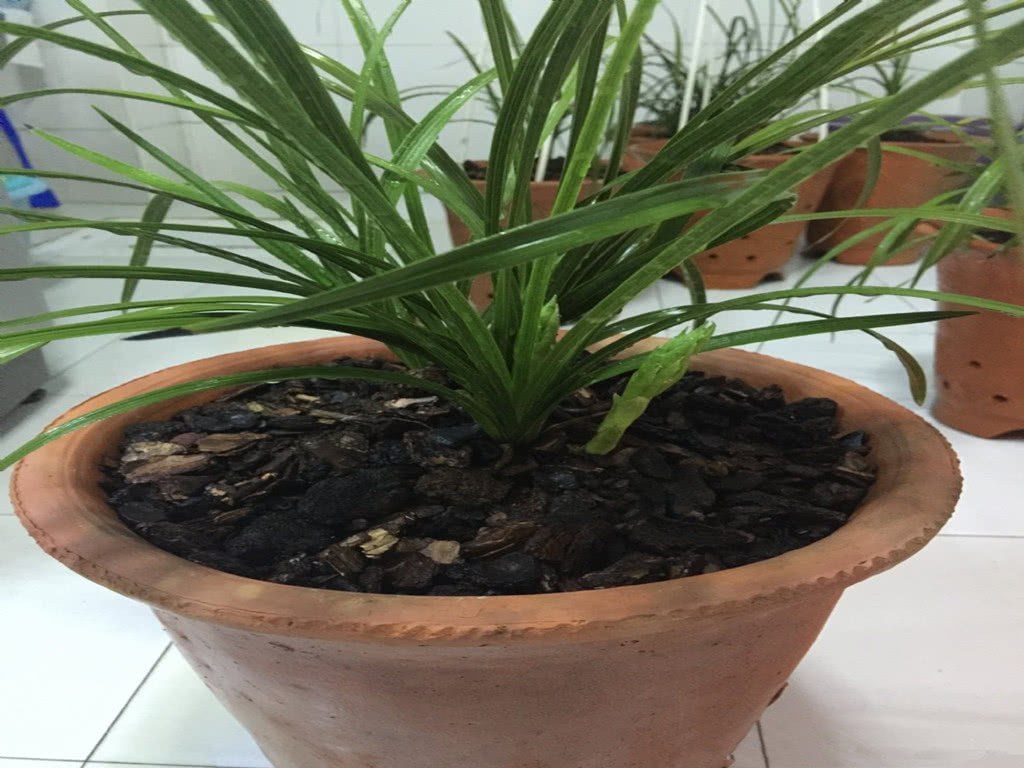
The deadly orchid soft rot is preventable and controllable but hard to cure completely, but I am serious about prevention.
For orchids, getting soft rot is like a person getting cancer. If you do not prevent it in time and do not deal with it in time, a whole patch will fall. Because the harm of rot disease is very serious, and it spreads quickly. Usually there are two kinds, soft rot and black rot, roaming among orchid groups. Ordinarily, if you are not careful and get infected, it is very hard to escape.
Here, I introduce some of its onset characteristics as follows: in the early stage of soft rot, tiny brown water-soaked spots appear on the leaves, then expand into black moist patches; at this point the diseased spots are very easy to rupture and exude a foul-smelling liquid. After that, the orchid plant will quickly rot. Generally, this disease occurs easily in rainy and humid seasons above 30°C.
However, black rot is a fungal disease, mostly occurring on leaves, the base of roots and growing points. At the affected area, translucent spots first appear, and the spots gradually expand, the tissue turns black, and it gradually rots. When it begins to appear on the root system or underground stems, attention should be paid. If it is not prevented and controlled, it will soon spread from the root system to the entire underground stem, until the plant is completely destroyed. In a very short time, this disease can turn orchid rhizomes black and make the leaves black and rotten.
Therefore, although soft rot is very hard to cure, we can prevent and control it so that it does not drag down other orchid groups. Today, the editor will introduce such prevention methods. When an orchid is infected with rot disease, repot it and change the soil in time, cut off all tissues at the diseased parts and burn them in a centralized manner, then clean and disinfect the cut surfaces with clean water, and apply sulfur powder, place it in a cool and ventilated place to dry, and repot after the cut surfaces shrink and dry. After repotting, do not water or spray water for 3 to 4 days, and use 50% thiram plus 500 times water to make a solution, and spray once.
At the same time, the orchid growing environment should strengthen ventilation and light. Rescued diseased plants should be temporarily isolated from other orchids to avoid infection. Only after they grow normally and are no longer infectious can they be placed together with other orchids. Thank you for taking your precious time out of your busy schedule to patiently read this; reading takes you to a higher level. In addition, if you have any thoughts or views, you can post them in the comment section below. Everyone is welcome to save or forward it! Click the word "Follow" and you will be able to read more articles about growing and cultivating orchids.