Microbial inoculants with dual effects of fertilizer and pesticide: how do they help crops resist diseases?
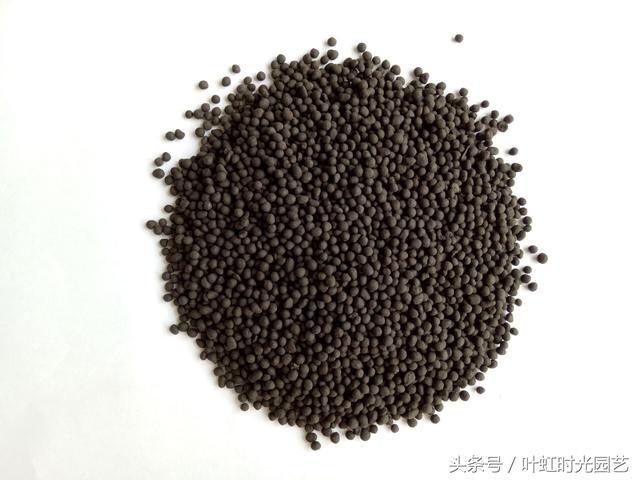
In recent years, soil-borne diseases have caused increasingly severe damage to crops, seriously affecting the quality of agricultural products and food safety. Microbial inoculants that have emerged in response can cut off the infection of soil-borne diseases from the root. So how do they do it?
??
1. Maintain the balance of the microbial flora:
Due to long-term cultivation of China's arable land, pathogenic bacteria in the soil occupy a dominant position, which is why soil-borne diseases are able to run rampant. Microbial inoculants contain a large number of highly active beneficial bacteria, which can greatly increase the content of beneficial bacteria in the soil, maintain the balance of the microbial flora, and thereby suppress the infection of soil-borne diseases.
??
2. Promote robust crop growth:
In addition to containing certain nutrient elements required for crop growth, microbial inoculants can also activate nutrient elements fixed in the soil, provide nutrients to plants, make crops grow more robustly, and naturally strengthen their ability to resist diseases.
3. Secrete antibacterial substances:
Some beneficial microorganisms themselves have antagonistic effects on harmful bacteria, or can secrete antibiotics to inhibit the reproduction and growth of pathogenic bacteria, thereby reducing the occurrence of pests and diseases.
???
4. Improve crop stress resistance:
Some beneficial microorganisms can improve crops' drought resistance, saline-alkali resistance, resistance to extreme temperature, humidity and pH value, and resistance to metal toxicity, greatly increasing plants' resistance to these adverse conditions.
5. Stimulate crops to produce beneficial components:
After use, microbial inoculants can promote crops themselves to produce chitinase, glucanase and various other systemic defense enzymes and antibacterial substances, thereby achieving the purpose of improving crop disease resistance and promoting crop growth.
?
Follow Yehong Shiguang Gardening for more fertilizer knowledge shared with you every day. More friends are welcome to communicate with us. Your attention is our greatest encouragement.