How to care for flowers in summer? Distinguish between plants in their growing season and those in dormancy
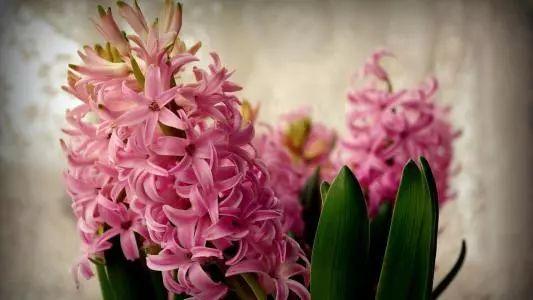
The hot summer has arrived, and many flowers will stop growing. Many gardening enthusiasts wonder whether plants are in their growing season or dormant period in summer. In fact, this depends on the different varieties, which also show different behaviors in summer.
1. Summer climate
In summer, most parts of the south are caught in round after round of rain. The rainy season will continue until around Minor Heat in July, after which it will shift to midsummer with a mix of clear, hot, high temperatures and torrential rain. In most of the north, before Minor Heat, there is less rain, with mainly clear, hot and dry weather. Plants with different habits also show different behaviors in summer.
2. Cool-loving plants
As summer approaches, plants that prefer cooler environments gradually end their peak growing season and enter a state of summer dormancy, such as: hyacinth, cyclamen, narcissus, and cineraria.
Care:After entering summer dormancy, they need to be placed in a cool, ventilated spot, watered less or not at all, and fertilizing should also stop. Of course, you can also choose to dig out the bulbs and store them temporarily in a cool, ventilated place, then replant them when autumn arrives.
3. Heat-loving plants
For heat-loving plants, summer is a grand feast. Summer is when they grow most vigorously in the whole year. With proper pruning, they will welcome their flowering season in early summer, then gradually enter the fruit-growing stage; jasmine is in its flowering season in midsummer, and after each wave of blooming ends, it must be pruned. Examples include: woody plants such as pomegranate and jasmine.
Care:For various heat-loving plants, since they are in their peak growing season, they naturally have a high water demand. Combined with high temperatures and rapid soil moisture evaporation, watering frequency should be appropriately increased compared with other seasons.
4. Fertilizing
When fertilizing in summer, it should also be based on the plant's growth conditions and the temperature. For those grown mainly for flowers and fruit, phosphorus and potassium fertilizer should make up a larger proportion; for those grown mainly for green foliage, nitrogen fertilizer should make up a larger proportion. During the high temperatures of midsummer, fertilizing should be especially cautious, because under high-temperature conditions, if the fertilizer used is unsuitable, it may also cause fertilizer burn.