Pennywort severely drooping from lack of water: how to prevent and handle it?
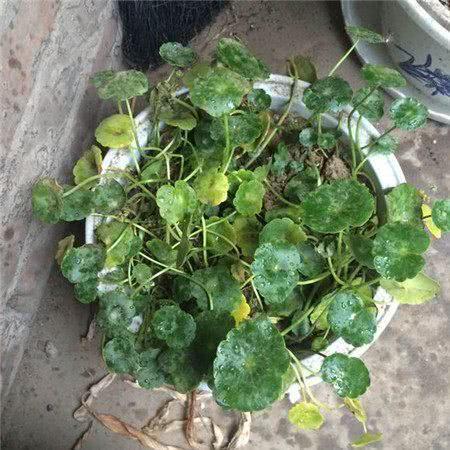
A while ago, I kept a pot of pennywort. Because I went out for a few days and could not replenish the water in time, the pennywort became severely short of water. Almost all the leaves bent over, only a scant few leaves were still standing, and some of the leaves containing less water began to show signs of withering. The whole plant looked completely lifeless. Drawing on the experience of many flower growers, I have put together the following tips to help pennywort stand back up with vitality. When pennywort droops severely from lack of water, how should we prevent and handle it?
As soon as you notice the leaves of pennywort drooping, you must replenish the water immediately; as long as the leaves have not withered, there is still a chance of recovery; the shorter the time without water, the faster the leaves can recover; likewise, the longer the time without water, the harder it is for the leaves to recover; if you water promptly during routine care, would you still worry that the leaves cannot recover?
If you find that pennywort not only has drooping leaves but also some yellowing, that is enough to prove that the pennywort is dying, and you must replenish the water; the first thing to do when you come back after a few days away is to water the pennywort. After absorbing water overnight, the plant looks much better the next day, and you can tell it is recovering. However, a small portion of the leaves could not recover; the basically dried-up leaves are all small leaves with weaker growth ability, and the rhizomes have poor water retention ability, so they could not survive.
Pennywort with drooping leaves must be watered, with plenty of water replenished, but do not rush to fertilize. Water continuously every day; if it is grown hydroponically, diligently change the water in the pot and keep the water in the pot clear; one week is enough for it to recover, but it must not be placed in a spot with strong sunlight. If the time without water is too long, then some leaves will wither and die, and no matter how much water you add, it will be difficult for them to regain their green luster. But as long as you can ensure the roots of the pennywort have not died, careful care will still allow new leaves to grow.
Prepare a pair of scissors and carefully trim off the dried leaves, so that the dead leaves do not affect the appearance of the pennywort. Some yellow leaves that can still recover should be kept if possible; do not trim off too many. A pennywort that is slowly recovering will grow some new rhizomes from the pot. We should guide these rhizomes into the flower pot and let the water in the pot nourish them, so that new leaves can grow faster.
Pennywort is also called moneywort. Its leaves are round, not much different in size from a copper coin, held up by long rhizomes one after another, like small lotus leaves. The leaves have a good gloss and very clear veins. Pennywort likes water quite a lot. Anyone who has grown it knows that as soon as the water is insufficient, it will immediately wilt, so the few handling tips above should come in handy.