Potted Camellias: Do These 5 Things and You Won't Have to Worry About Them Not Blooming
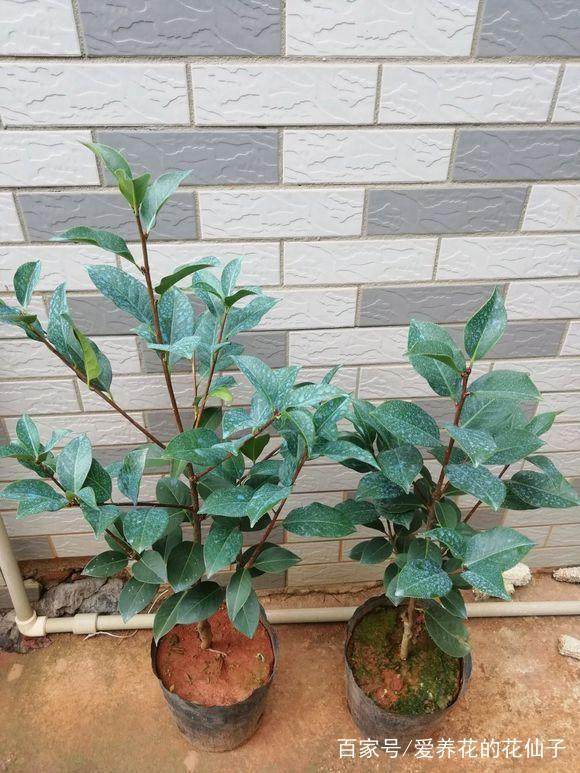
The method of growing camellias in clay pots, plastic pots or other containers is called container cultivation of camellias. Because it is easy to manage, allows free observation and appreciation of the camellias, and is highly effective at beautifying the indoor environment, it has been widely adopted. The key points of cultivation are as follows:
1. Container size: No matter what kind of flower pot is used, its volume should be just enough to allow the camellia root system to develop fully without leaving extra space. A pot that is too large easily causes poor drainage; a pot that is too small cannot provide the camellia with sufficient water and nutrients, and this is a taboo for flower-arranging containers. Therefore, the usual requirement is large pots for large seedlings and small pots for small seedlings. Camellias planted in flower pots can generally remain there for 2-3 years, after which they should be repotted or transplanted.
2. Potting soil conditions: The potting soil must be loose and airy, able to provide suitable moisture, nutrients and pH conditions, and at the same time have a certain holding capacity. In most cases, natural soil is either too heavy and sticky or too sandy, so it is generally not suitable to use directly as a growing medium for camellia containers. Red and yellow soils from the south should have 30%-40% river sand or 50% humus soil added and be mixed evenly before use as potting soil. Mountain humus soil or peat soil is a good potting soil material. Natural topsoil mixed with a certain amount of organic fertilizer compost makes very good potting soil.
3. Potting the camellia: When the camellia enters its semi-dormant period, that is the best season for potting. Winter in November and early spring in February-March are suitable times for potting. Potting should stop around the budding period. When potting a camellia, first place overlapping tile pieces at the bottom of the pot, then add a layer of small stones to aid drainage, then add the potting soil and set the camellia in the pot. The root system should be spread out and the potting soil should be in close contact with the roots. Do not add too much potting soil; 3/4 of the pot volume is appropriate. The planting depth of the camellia should be limited to the root crown; too deep is not good for the camellia's growth.
4. Watering and fertilizing: Keeping the potting soil consistently moist and providing a lasting supply of nutrients so the camellia grows vigorously is beyond doubt. Hard water that is alkaline must have its pH adjusted before use. Each watering should soak through, but water must never accumulate in the pot. At the same time, try as much as possible to keep the water temperature consistent with the soil temperature. If the soil is too dry, the branches and leaves wilt, so the moisture condition of the potting soil should be checked frequently. After the plant has formed new roots, fertilizing should follow the principle of small amounts applied many times. Slow-release organic fertilizers such as cake fertilizer and sulfur-coated fertilizer are very good fertilizers. When fertilizing, attention should also be paid to the combined use of N, P and K fertilizers and various trace elements at different growth stages.
5. Repotting camellias: When the camellia's root system has filled the container and the plant begins to show signs of inhibited growth, it should be promptly moved to a larger container. First gently take the plant out of the pot, cut away 1/5 of the root system from the sides and bottom, gently tap the root ball to expose the fibrous roots, change to a new pot, add new soil and plant it. As the camellia plant grows larger year by year, the size of the pot used at each repotting should gradually increase compared with the old pot. Under normal circumstances, the plant should be repotted once every 2-3 years.