How to grow a ginkgo bonsai? Teach you the quick method
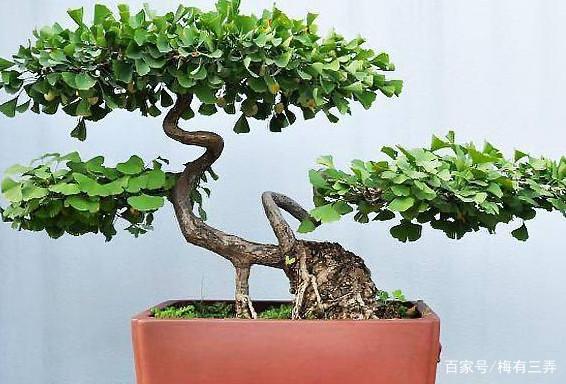
How to grow a ginkgo bonsai and the quick preparation of a ginkgo bonsai - A ginkgo bonsai is not only simple and elegant, but also exceptionally thrifty and natural. Many people are exceptionally interested in ginkgo bonsai, so is there a good compilation to make a ginkgo bonsai quickly? Let us know about it!
1. Use ginkgo seedlings for potting.
1. Before the ginkgo leaves sprout, select 2-3 year old seedlings as the raw material. The details are as follows:
(1) First, from March to April, remove the top of the main branch, then bind the ginkgo seedling with wire so that it takes on the bonsai style you have in mind.
(2) Compared with 7-8 months, everyone can loosen some of the wire tied on the ginkgo.
2. Cultivating a ginkgo bonsai through the stump potting process itself requires a ginkgo. However, when using this training to cultivate a bonsai, we need to look at the following points:
1. Choose vigorous ginkgo rootstock. Everyone decides on the intermediate rootstock; the fruit can be grafted with many ginkgo branches. Three plants can be taken under popular conditions. However, assuming the intermediate rootstock is large or the stem tip is larger, 4 to 5 plants can be grafted.
2. After successful grafting, everyone needs to bind it up. During the grafting process, to ensure the success of the graft, everyone needs to use a sharp blade to cut the sawed part on the intermediate rootstock. Soak the grafted plant in rooting solution, then dry it and wrap it in several layers of paper. To heal the graft wound as quickly as possible, everyone needs to wrap it with thin iron (iron sheet width, long roll wrapped around for one week), then tighten it with wire.
3. During the grafting process, using a graft tongue is very popular. After grafting, it can be planted directly in open ground or in a flowerpot. Assuming the grafting effect is better, it is recommended that everyone maintain a contrast between the tree and the bark. To heal the wound as quickly as possible, it is recommended to provide the plant with a temperature of 20 to 30 degrees. After the ginkgo graft site heals, its growth trend is good, and it can be transplanted into a flowerpot. But when they are expected, the transplanting process should not damage the ginkgo's healing and new roots.
How is a ginkgo bonsai grown? The following is an explanation of this result. Assuming ginkgo care and maintenance are simple, it is necessary to do some detailed planting details for everyone, for example, finding the ventilation conditions for ginkgo. Once the soil is fertilized once a week, it is best to choose soil with sand and chaff. Every 2 years, change the pot once, so that the long root system curls appropriately and ensures the normal growth of the ginkgo.