Don't know how to care for a Senecio stapeliiformis? Learn these few tricks and it will grow leaves and bloom
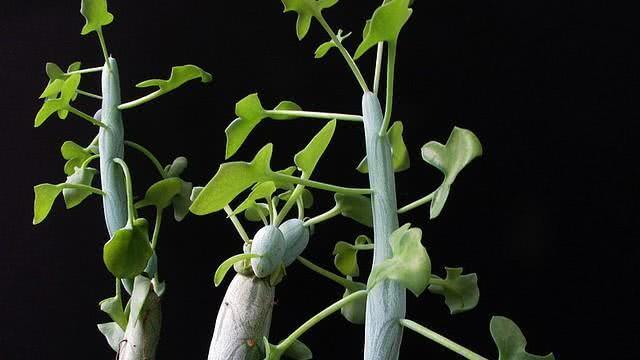
Soil: To grow Senecio stapeliiformis, it is best to use a loose, well-draining sandy soil. Watering: Always keep the soil moist, and water only when there is plenty of light and the potting soil is dry. Light: It is best to place it somewhere with diffused light, and provide appropriate shade when the summer sun is strong. Temperature: Give it a growing environment of 15-22°C, and the temperature must not drop below 4°C.
1. Soil
To grow Senecio stapeliiformis, it is best to use a loose, well-draining sandy soil, and be sure not to use a relatively heavy clay soil.
2. Watering
When growing Senecio stapeliiformis, always keep the soil moist, and water only after the potting soil has dried. In summer, watering must be controlled, otherwise rot easily occurs. In addition, when the temperature is low, watering must also be controlled; when the winter temperature is below 10°C, watering can be stopped, and water only when there is plenty of light and the potting soil is dry.
3. Light
Senecio stapeliiformis is suited to growing in an environment with diffused light. In spring and autumn it can receive light; when the summer sun is strong, provide appropriate shade and do not let it be exposed to strong direct sunlight. Do not keep it indoors for a long time; move it outdoors appropriately to receive light, as this is more conducive to its growth.
4. Temperature
The temperature suitable for the growth of Senecio stapeliiformis is 15-22°C. It is not cold-tolerant; when the winter temperature is below 8°C, it will stop growing, and the minimum must not fall below 4°C. When the summer temperature is too high, cooling measures should be taken.