Several wild vegetables that middle-aged and older women can eat more of to calm the nerves, fight aging, lower cholesterol and aid digestion
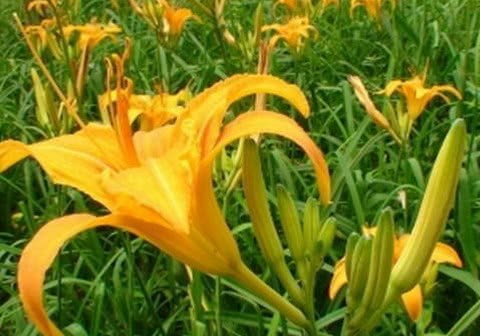
The flowers of daylily have the effects of strengthening the stomach, promoting lactation and nourishing the blood; when eaten by nursing mothers with insufficient milk secretion, they can promote lactation and increase milk supply; the roots have diuretic and swelling-reducing effects and can be used to treat edema and difficult urination; the leaves have a nerve-calming effect and can treat neurasthenia, restlessness and insomnia, and edema due to bodily weakness and other symptoms. Traditionally, the roots of various Hemerocallis species are used interchangeably as medicine, while for food use only the flower buds of Hemerocallis citrina are used. Daylily has relatively good brain-strengthening and anti-aging effects because it is rich in lecithin, a substance that is a component of many cells in the body, especially brain cells, and plays an important role in enhancing and improving brain function; at the same time, it can remove deposits in the arteries and has special therapeutic effects on symptoms such as poor concentration, memory decline and cerebral artery blockage, so people call it the "brain-strengthening vegetable." Other studies have shown that daylily can significantly reduce serum cholesterol levels, which is beneficial to the recovery of patients with high blood pressure, and it can serve as a health vegetable for patients with high blood pressure. Daylily also contains active ingredients that can inhibit the growth of cancer cells, and its rich crude fiber can promote bowel movements, so it can be used as a food for preventing and treating intestinal tumors.
Talinum, a name used for Chinese medicinal materials. This product is the root of Talinum paniculatum of the purslane family. Harvest in August to September; after digging out, wash clean, remove the fine roots, scrape off the outer skin, steam thoroughly and dry in the sun. Its functions and indications are: strengthen the spleen and moisten the lungs, relieve cough, and regulate menstruation. Treats fatigue due to spleen deficiency, diarrhea, cough with blood-streaked phlegm due to pulmonary tuberculosis, dizziness and tidal fever, night sweats and spontaneous sweating, irregular menstruation, and leukorrhea. Moistens the lungs and relieves cough. Treats cough due to dryness-heat and weakness after illness. Promotes milk secretion, aids digestion, and promotes fluid production to quench thirst. Treats cough with blood-streaked phlegm. Tonifies the middle and boosts qi, moistens the lungs and promotes fluid production, cools the blood and reduces swelling. Treats weakness after illness, cough due to overexertion, enuresis, irregular menstruation, and boils. Nourishes and strengthens. Treats dizziness, tinnitus, blurred vision, and leukorrhea in women;.
The leaves contain a variety of vitamins as well as calcium and iron, are cultivated as a vegetable, and can also be grown for ornamental purposes. The whole plant is used medicinally as a mild laxative and has the effects of lubricating the intestines, dispersing heat, and promoting urination and defecation; the flower juice has the effect of clearing the blood and removing toxins, can neutralize smallpox toxin, and when applied externally treats carbuncles and cracked nipples. The fruit juice can be used as a harmless food coloring. Its nutritional value is very high. According to measurements, every 1 kilogram of the edible portion contains 17 grams of protein, 2 grams of fat, 31 grams of carbohydrates, 2.05 grams of calcium, 290 milligrams of phosphorus, 22 milligrams of iron, and also contains 45.5 milligrams of carotene, 10 milligrams of niacin, and 1.02 grams of vitamin C (ranking first among green leafy vegetables). It has effects such as lubricating the intestines, promoting bowel movements, clearing heat, removing toxins, strengthening the brain and lowering cholesterol. Regular consumption can lower blood pressure, benefit the liver, clear heat and cool the blood, and prevent constipation. Does your hometown have it?