Three care tips for Zephyranthes carinata (rosepink zephyr lily): even a lazy gardener can get it to bloom
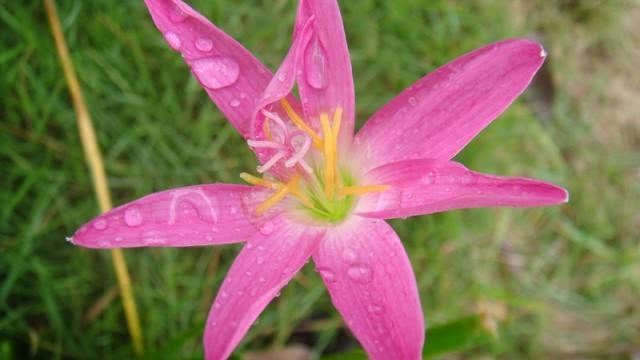
To grow Zephyranthes carinata, it is best to use fertile, loose, sandy soil, and give it a growing environment with plenty of sunlight. Apply organic fertilizer or phosphorus-potassium fertilizer regularly, generally once every 2-3 months. It can be propagated by dividing the bulbs. It generally does not suffer from pests or diseases; routinely prune old roots in time, and if pests or diseases are found, spray with a pesticide promptly.
I. Growing environment
1. Soil: To grow Zephyranthes carinata, it is best to use fertile, loose, sandy soil, and make sure the soil stays moist when planting.
2. Light: Give it a growing environment with plenty of sunlight; being in a shaded environment for a long time can easily prevent it from blooming.
3. Fertilizing: You can apply organic fertilizer or phosphorus-potassium fertilizer, generally once every 2-3 months. Appropriately increasing the phosphorus-potassium fertilizer can make the bulbs plumper and also help it bloom better.
II. Propagation method
Bulb division propagation: In spring, dig out the bulbs and remove the old soil. A 20 cm pot holds roughly 6-10 bulbs. If you need to propagate in large quantities, you can plant them deeply, covering the bulbs with 3 cm of soil, so they produce more offsets and fewer flowers; by the following spring they can be divided and replanted.
III. Common pests and diseases
Zephyranthes carinata generally does not suffer from pests or diseases. During routine care, prune old roots in time, and once pests or diseases are found, spray with a pesticide promptly to avoid harming more plants.