Potted flowers got heatstroke in summer? Try these five rescue methods
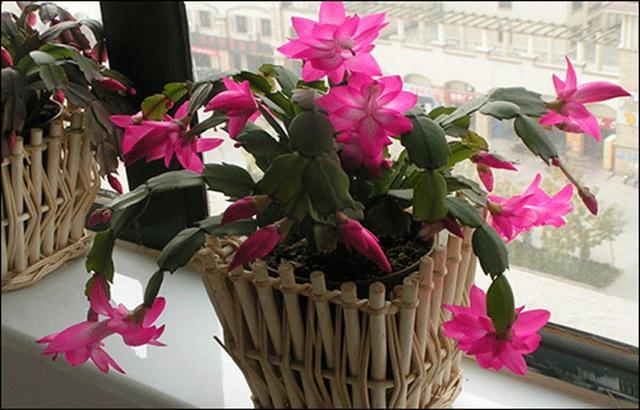
After several days of rain, the past couple of days brought high-temperature weather again, with the temperature suddenly rising a lot. In this environment, not only are people prone to heatstroke, but indoor potted flowers can also get "heatstroke." Once these potted flowers get heatstroke, they become listless and weak. So if these flowers and plants get heatstroke and wither, how do we find a way to rescue them? Below are some causes and remedial measures for summer heatstroke in potted flowers and plants that the editor has put together. Flower lovers, save these quickly.
Why do indoor potted flowers get heatstroke in summer?
1. Many flower lovers put their flowers and plants indoors to avoid direct sunlight, but unexpectedly this leads to insufficient light, and the indoor ambient temperature being too high causes the soil to heat up and burn the roots.
2. In summer, the temperature is high and water evaporates quickly, so water demand is relatively large. If flower lovers do not water in time, the leaves are prone to wilting from lack of water.
3. In summer, the light is strong and the heat is high. If we do not shade the plants in time, the branches and leaves are prone to turning yellow and withering.
4. During rainy weather, staying outdoors in the rain for too long leaves too much water accumulated in the pot, and the plant cannot breathe normally
How do you rescue potted flowers with summer heatstroke?
1. Humidity, shading and sun protection: In summer, the light is strong and the temperature is high. If we do not provide humidity and shade and leave them exposed to the sun for a long time, it easily leads to poor growth of the flowers and yellowing, withering branches and leaves. Generally, plants should be placed in a spot with fairly good ventilation and a relatively large shaded area for care; if they are somewhat light-loving trees and flowers, a little shading is enough, and strong direct sunlight should be avoided; shade-loving plants can only be kept in a ventilated spot indoors.
2. Water in moderation and slowly increase the amount of watering: Many flower lovers, seeing that a plant has wilted, will pour a lot of water all at once. In fact, doing so will cause the plant to die quickly. When a flower wilts, its root system has already shrunk and lost its original ability to absorb water, so we should water in moderation and gradually increase the amount of water given to the plant.
3. Frequently cool the plants down in summer: The suitable growing temperature for most trees and flowers is 20°C to 30°C, while the highest summer temperatures in most parts of our country exceed 30°C. If the plants are not cooled down, it will lead to stunted plants, fewer flowers and a shorter flowering period. Methods for cooling down include spraying water to cool, ventilating to dissipate heat, shading to cool, loosening the soil to dissipate heat, increasing humidity to cool, and using water basins to cool.
4. Increase ambient humidity: When watering the plants, move the flower pots to a shady place and spray water on the plant leaves. In summer, the climate is mostly high temperature and high humidity, and potted flowers are always difficult to care for in summer, and it is easy to be negligent. The editor will tell you what to do so that you save time and effort while still taking good care of your beloved flowers.
5. Fertilize reasonably: When fertilizing potted flowers in summer, follow the principle of "light fertilizer applied frequently," otherwise it will cause burned roots and root rot. Foliage plants need more nitrogen, bulbous flowers can be given more potassium fertilizer, and flowering and fruiting trees and flowers need more phosphorus fertilizer. When fertilizing, the nitrogen, phosphorus and potassium ratio of the fertilizer should be adjusted with emphasis. The best time to fertilize is in the evening.
The amount of fertilizer is generally a thin liquid fertilizer once every half month. If applying organic fertilizer, only fully decomposed fertilizer may be used.