There are 2 blind spots in rose care that need to be avoided in time
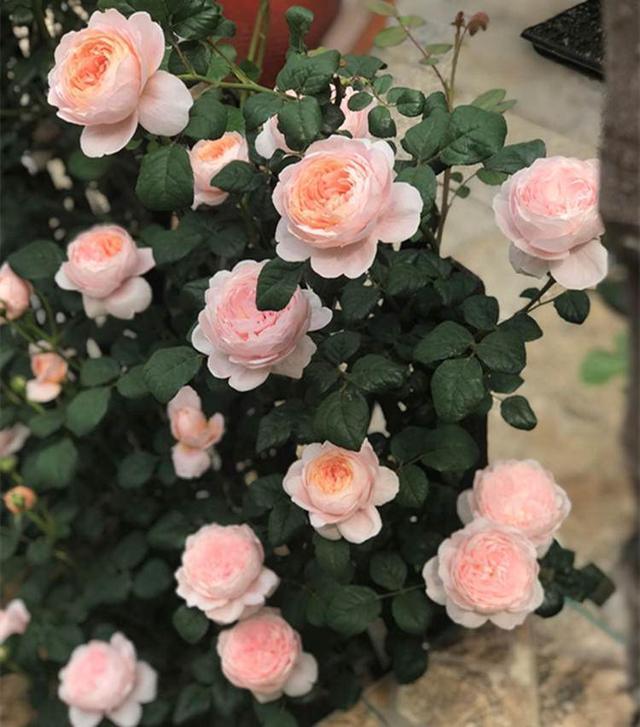
Fellow gardeners, when growing roses, do you often find that roses have some branches that do not grow flower buds, and some branches that basically do not grow? These two kinds of branches are the "blind spots" of roses, and they should be pruned away promptly when encountered.
So, for these 2 "blind spots" of roses, how should they be distinguished and pruned to achieve the goal of promoting flowers?
First, fellow gardeners need to understand: in rose growing, branches that do not grow flower buds and stop growing not long after sprouting are called "blind branches," and branches that basically do not grow are called "blind buds."
For the "blind branches" and "blind buds" of roses, they need to be pruned away promptly. The method is: for blind branches, pinch off a little of the top of the branch to let it know that "flower buds need to grow next," and it will sprout new shoots. In addition, after pinching off the blind buds of roses, promptly fertilize with a rose-specific organic nutrient solution diluted 500 times with water to "give the flower buds a treat" and promote their rapid growth.
Blind buds rarely sprout flower buds; keeping them is mainly for photosynthesis and to protect the rose's main stem from intense direct sunlight. If the blind buds are too dense, just like thinning branches, they can be cut off from the crotch base with sharp garden scissors.
If fellow gardeners feel that sunlight shines directly on the branches and stems, the temperature rises, and it is as if hot water is flowing inside the plant. As long as they are not overly dense, the rose's blind buds can be kept.
In short, for these 2 "blind spots" of roses, the simple summary is: for blind branches, prune the top of the branch; for blind buds, if there are few, keeping them as they are is ok.
Image from fellow gardener: Stem cuttings in a row