Potted Gardenias Always Die on You? Avoid These 5 Mistakes and There's a Secret to Year-Round Blooming
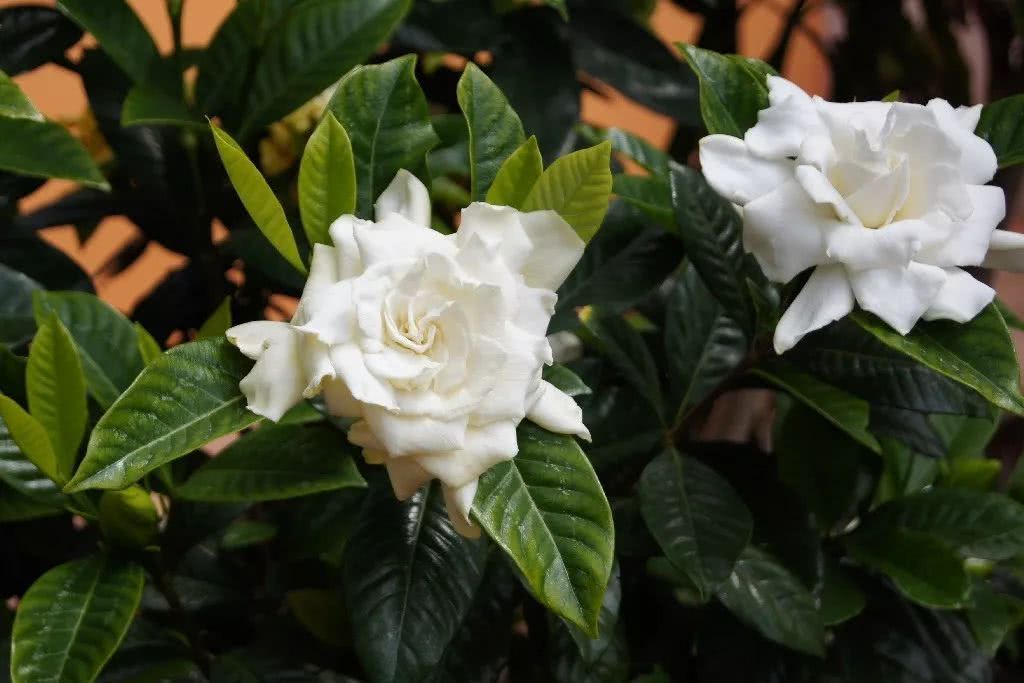
To care for gardenias you need to avoid the following 5 wrong ways of growing plants; only by mastering the correct care techniques can you encourage gardenias to bloom year after year. Many people like to keep a potted gardenia at home; it has creamy white, fragrant flowers, and most people love it. Even in the north, it is a very popular indoor potted plant.
The gardenia has fairly high environmental requirements. A little improper care and it easily develops yellow leaves, and in severe cases it will wither, so don't even think about getting it to bloom every year.
Mistake 1. Not testing the soil before planting
Problem: Gardenias dislike soil with a high pH. If the soil is alkaline, it will stop the gardenia's roots from growing and prevent the roots from absorbing the iron, magnesium and other minerals needed for healthy growth.
Solution: Test the soil before planting and adjust the pH to between 5.0 and 6.5. Soil test kits can be bought directly from many garden centres' online shops, or you can buy some pH test strips yourself, then take a little soil, soak it in purified water, and after half an hour dip the pH test strip in it to test the soil's acidity or alkalinity.
If the soil is alkaline, the gardenia will very easily develop yellowing leaves after planting, and later it is also prone to yellow leaf disease or wilt disease. This is because the soil lacks iron, which prevents the plant from making chlorophyll and is bad for growth.
You can add more compost or peat soil to the soil to increase acidity, and during the care period regularly give an acidic fertiliser, such as the common ferrous sulfate solution, or water-soluble aluminium sulfate, spraying it directly onto the branches, leaves and soil.
Mistake 2. Planting the gardenia's roots and stems too deep
Problem: Do not plant gardenias in a low-lying spot; planting too deep will affect branching and also easily causes root rot and stem rot. A gardenia planted in a pot needs plenty of space, so choose a container with good drainage.
Solution: For gardenias grown in the ground, you can cover the soil around them, which prevents weeds from growing and helps retain more nutrients and encourage blooming.
Mistake 3. Keeping the gardenia in a dry house
Problem: In winter the gardenia needs protection from the cold to avoid freezing, but air that is too dry indoors will affect the gardenia's growth and also makes it prone to mealybugs and red spider mites, easily attracting pests and diseases.
Solution: Keep the gardenia in a room with a temperature between 18 and 25 degrees. When the air is dry, you can put some small pebbles in the tray under the pot, then add some clean water, and finally place the pot on top of the pebbles, which will increase the air humidity; or spray water in the surrounding area to raise the relative humidity.
Remove pests and diseases promptly when you find them, to prevent them from multiplying too much. For example, if red spider mites appear, spray pyridaben promptly; for mealybugs, spray imidacloprid promptly.
Mistake 4. Watering on a fixed schedule
Problem: You also cannot water a gardenia once every so many days or weeks; this depends on the weather conditions and temperature. The watering frequency differs for rain and drought, and for cloudy and sunny days.
Solution: Before each watering, make sure the soil 3 to 5 cm below the surface is dry, and only then water thoroughly. Do not water too frequently or go a long time without watering. Regularly clear the weeds around it, otherwise they will affect the gardenia's new shoots and leaves. Tap water is best left in a container for a few days before use, to keep the soil from turning alkaline.
Mistake 5. Putting the gardenia in a shady spot
Problem: Gardenias need plenty of light to encourage blooming, and with sufficient light their leaves grow glossier, which helps promote healthy growth.
Solution: Gradually increase the gardenia's light and avoid keeping it in shade. In summer, when the heat is intense and the sun is harsh, you can shade it appropriately in the afternoon to avoid excessive exposure.
Gardenias kept as indoor potted plants also need plenty of light, and the environment must be kept ventilated, otherwise you will not be able to grow them well either.
Master the care techniques above and you will basically be able to grow your gardenia so it blooms every year.