There is no magic potion for Phalaenopsis orchids; only scientific cultivation can make them bloom more beautifully
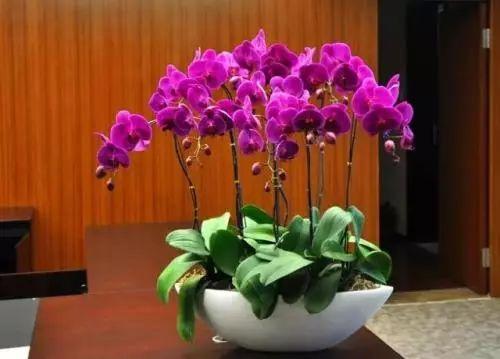
The Phalaenopsis plant sends out long flower stalks from its leaf axils and produces flowers shaped like dancing butterflies, which makes it very popular among flower lovers. However, the vast majority of flower lovers do not know how to care for Phalaenopsis, and some who dare to try all end up failing. Today I will tell you all about how to grow Phalaenopsis.
1. How to cultivate Phalaenopsis scientifically
First, flower lovers must understand one thing: the growth of living things must follow a certain law, and flowers rely on care. The process of growing flowers is an exchange between people and flowers, and it requires careful observation by flower lovers to listen to the needs of the flowers.
2. How to choose Phalaenopsis
A blooming orchid requires a long wait. It takes several years for an orchid to go from seed to bloom, and I believe none of you can afford to wait that long. So when choosing, be sure to select a mature plant. Generally, mature plants have healthier root systems. Choose ones with thicker, more upright flower stems and leaves with good gloss and proper color. This kind of Phalaenopsis will have a longer flowering period and is also easier to care for!
3. How should Phalaenopsis be grown?
The roots of Phalaenopsis are aerial roots, and everyone must know this. They can not only store some water themselves but also absorb moisture from the air. One requirement of aerial roots is that they need ventilation, so the soil for growing Phalaenopsis needs both breathability and water retention. It is best to use a mix of coarse, fine, large, and small media, which is of course the best option.
4. How to fertilize Phalaenopsis
The growth of plants is just like that of people: they all need nutrients to grow strong. Regularly supplementing Phalaenopsis with nutrients can make its flowering period longer, because each bloom consumes a large amount of energy. At this time, fertilization during the growth period becomes especially important, ensuring the nutrient reserves of the roots and flower stems and laying the foundation for blooming. The fertilizer that Phalaenopsis needs is mainly water-soluble nitrogen, phosphorus, and potassium fertilizer. The fertilizer concentration must not be too high. For home care, fertilization should be stopped during the flowering period and bud period.
5. Light requirements of Phalaenopsis
All flowering plants need light, and Phalaenopsis is no exception. However, Phalaenopsis is very afraid of direct sunlight, so it needs diffused-light care, preferably refracted light.
6. When should Phalaenopsis be watered
Watering Phalaenopsis is rather different. Do not water according to a fixed schedule, because the amount of water and the interval between waterings are closely related to the soil and the environment. Any watering method that keeps the roots slightly moist without waterlogging is fine. It should be noted that large pots with multiple Phalaenopsis plants usually dry more slowly than single plants, so do not water too much each time, and water them one plant at a time.
7. How to deal with root rot in Phalaenopsis
In fact, the symptoms of root rot in Phalaenopsis are easy to identify: the leaves will clearly dry out from lack of water. This is caused by the roots being damaged and unable to supply water to the leaves. Many people mistakenly think it is a lack of water and water even more frequently. In fact, at this time you should stop watering and let the roots recover and grow new roots on their own, and then it will be fine.
The growing environment temperature for Phalaenopsis is somewhat strict. The temperature must not be below 10 degrees, especially in winter, and it is best to avoid damage from cold wind. After flowering, do not forget to cut off the buds, otherwise they will take away nutrients and be unfavorable for a second bloom.