Summer flowers hate stuffy conditions; without attention to ventilation, they are easily lost
After summer arrives, the weather is fairly hot and the air is fairly stuffy and humid. When growing flowers at this time, you need to pay extra attention. These kinds of flowers need attention to ventilation in summer, otherwise, if it is too stuffy, they can easily die. Below, we will tell everyone about the flowers that especially need attention to ventilation in summer. If you also grow these kinds of flowers at home, be sure to pay attention.
1. Succulents
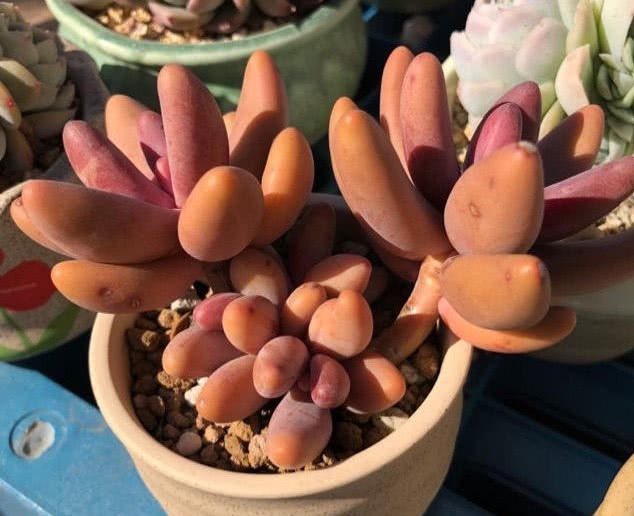
People who have grown succulents for a fairly long time all know that if succulents lack water but get too much light, their growth will be poor, and if ventilation is poor, succulents will be very hard to keep alive. Poor ventilation can make the potting soil damp, and being in a damp environment for a long time easily breeds bacteria, which will then lead to leaf drop.
So, succulents can be placed in a ventilated spot. If there is really no wind, a fan can be used to increase air circulation, which can speed up evaporation from the potting soil and thus prevent pests and diseases.
2. Chinese rose
Chinese rose is a very common flower. Anyone who has grown Chinese rose knows that if ventilation is poor, Chinese rose easily gets sick, with leaves turning yellow. If the temperature is too high and ventilation is poor, it easily attracts red spiders, powdery mildew, and so on.
So, when growing Chinese rose, you need to increase its ventilation. If it is because the Chinese rose is growing too vigorously and the branches are too dense, this will also affect ventilation. In such a situation, timely pruning is needed.
3. Azalea
Azalea is especially afraid of stuffy heat in summer. Poor airflow will cause azalea leaves to dry up and drop, so providing ventilation for azalea is particularly important. When possible, azalea can be placed outdoors to grow, or placed in a ventilated spot to increase ventilation, and a fan can also be used to increase ventilation.
4. Christmas cactus
Christmas cactus does not like temperatures that are too high. After summer arrives, it automatically enters dormancy. After entering dormancy, Christmas cactus must be kept ventilated, otherwise it easily attracts red spiders, and it may also cause the leaves of Christmas cactus to turn yellow, become thin, and in the worst case even wither.
So, Christmas cactus that has entered dormancy is best placed in a cool, ventilated spot, such as a north-facing balcony. Otherwise, Christmas cactus will not be able to get through summer normally.