Roses: In summer, I don't want to be a yellow-faced hag, I want to be a proper pretty bride
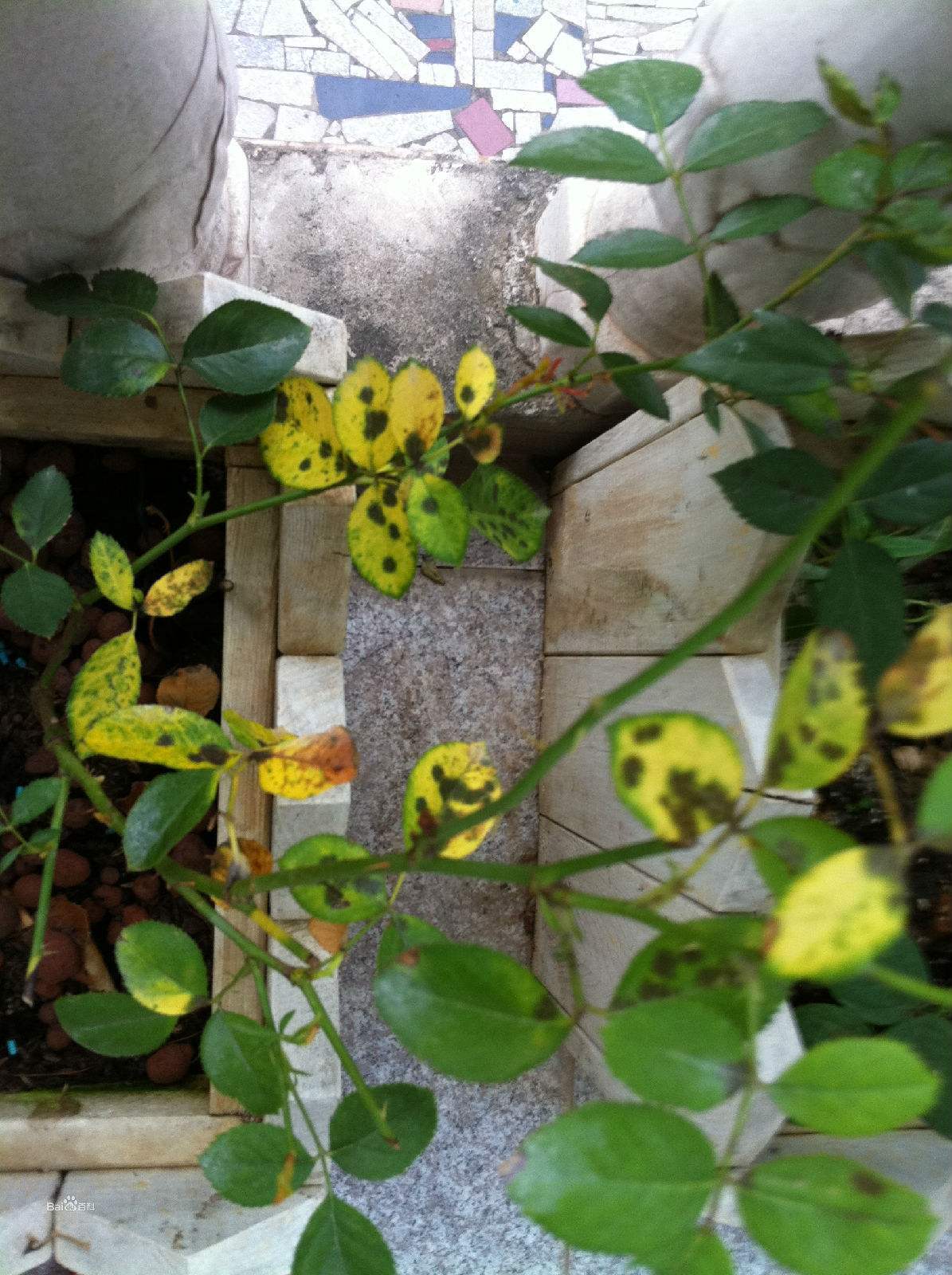
Roses are a fairly common type of flower, kept by many people, and they also come with many problems - they are famously medicine jars. Summer has arrived, and all kinds of rose troubles come one after another, truly worrying flower lovers. All kinds of yellowing and pests and diseases are enough to keep anyone from having peace of mind. Today let's look at the main factors that cause yellow leaves in roses.
1. Watering problems. Many flower lovers just can't control their hands - 80% of flowers are killed by watering. In summer, insufficient or excessive watering is most likely to cause yellow leaves and root rot. Overwatering is fairly easy to judge: the old leaves won't be affected much, but the new leaves will turn yellow and curl slightly. At this point, just take the plant out of the pot and place it in a cool, ventilated spot, let the soil ball dry out, then put it back in the pot. If underwatered, simply water thoroughly. How do you judge a thorough watering? Each time you water, slowly water around the plant in circles, going around and around until water flows out from the bottom of the pot - that means it's thoroughly watered.
2. Fertilizing problems. Entering summer, many roses will enter a semi-dormant period, but they will still continue to bloom, so a little light fertilizer is still needed. If at this time you give roses unrotted organic fertilizer or a large dose of chemical fertilizer, it will burn the roots, and the roses will wilt and, in severe cases, die.
When fertilizing roses, it is best to choose a rose-specific organic nutrient solution rich in humic acid, with balanced nutrition that the plant can absorb relatively well. In summer, when using it, you only need 1ml diluted in more than 1000ml of water. You can drench the roots or spray the leaves, fertilizing about once every 15 days. Note that you should not fertilize during the flowering period, and when fertilizing, do not splash fertilizer onto the flower buds, or the buds will drop.
If you really don't know how to time rose fertilizing or watering in summer, you can use a plant and flower detector to help. You just need to insert the detector into the soil in the pot and connect it to your phone, and it will display the water and fertilizer data, teaching you how to water and fertilize scientifically.
3. Pests and diseases. Roses are famously medicine jars, and truly deserve the name. By June, aphids, powdery mildew and black spot are all common rose diseases. If you're not careful, the rose leaves will appear unopened and accompanied by yellowing. Careful flower lovers can flip over the rose leaves and look at the back, and they will find little bugs one by one.
When pests and diseases strike, just buy some insecticide, such as carbendazim, dimethoate and other insecticides, and use them according to the instructions. If it is really severe, you can also crush the bugs to death by hand first, then spray the pesticide. Normally when watering, you can make your own fermented garlic water to water the roses, which can help prevent pests and diseases.