Roses won't bloom? Here are 3 tips to make the flowers bigger and more vivid
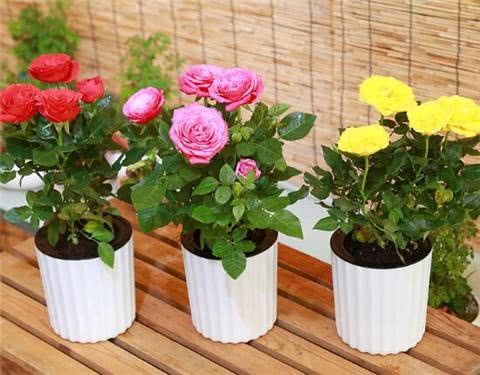
Roses bloom beautifully and elegantly, with rich, vivid colors including red, white, yellow, and pink-yellow. What should you do if your roses won't bloom? Let's take a look below!
1. Replenish nutrients
Roses have a high nutrient demand for blooming, so before and after flowering they need nutrient supplementation, with increased fertilizer amounts and frequency. You can use the following two methods to boost the fertility of your roses.
(1). Fish gut fertilizer
Fish guts can supplement phosphorus fertilizer. Chop up and boil the leftover fish innards from home, ferment them into liquid fertilizer, then water your roses with it. Roses absorb it well, and there is no odor. You can also bury fish gut fertilizer 20 cm away from the roots.
(2). Eggshells
Eggshells contain nitrogen. Crush them, the finer the better, and put two handfuls into the potting soil every month, burying them well with soil and covering the eggshells. This helps rose growth.
(3). Fruit peels
Banana peels contain potassium, and orange peels contain phosphorus. Crush banana peels and orange peels, ferment them into liquid fertilizer, then water your roses with it. This makes the roses bloom bigger and more vividly.
2. Increase light
Roses are light-loving plants and need more than 6 hours of light per day. Otherwise, with insufficient light, roses will be slow to bloom. So place them in a spot at home with good light conditions for care, and water them in the morning and evening each day along with the light exposure. This will promote rose blooming. You can also use lights to supplement lighting, adding 2 to 3 hours of light at night.
3. Prune properly
Roses have a high nutrient demand for blooming, so promptly cut off overly dense branches, blind shoots, and diseased, weak, or dead branches to avoid consuming more nutrients. Concentrating nutrients can promote blooming.