Be Careful When Eating Fruit in Summer: These Are "Fa Wu" (Flare-Up Foods), and the Last One Is Easy to Overlook
Friendly reminder
Hemu Report aims to share and popularize information about various plants and their uses, for reference only. If medicinal use is needed, it is recommended to consult a professional physician to avoid problems!
Summer is the "carnival season" for fruit. When the weather is hot, eating some fruit relieves fatigue and quenches thirst, and many people have the habit of eating fruit after meals. Most fruits are rich in vitamins and minerals and can nicely supplement part of the nutrition the human body needs every day. Eating a moderate amount of fruit can help maintain the body's metabolism and brings many benefits to the human body. Many beauty-loving people even treat fruit as a meal, preferring not to eat staple foods or meat, but they must eat fruit.
Although fruit is delicious, not everyone is suited to eating it. Especially these 4 fruits, which are considered among the "fa wu" (flare-up foods) among fruits in folk belief; eating too much of them can cause internal heat and is not conducive to recovery from illness. The last one, in particular, is too common and is easily overlooked.
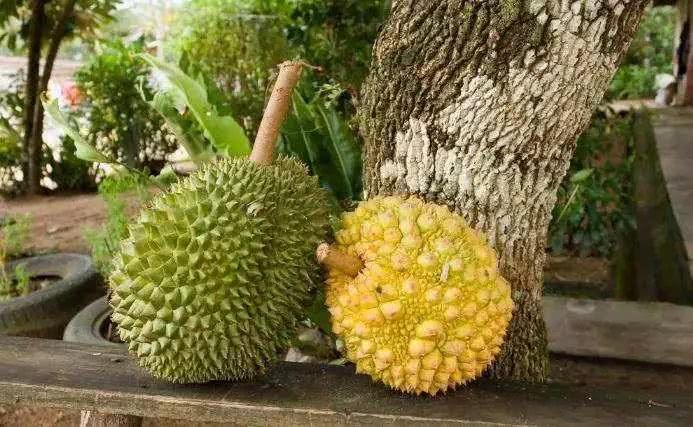
The first type of "fa wu": durian
Folk saying goes: "One durian equals three chickens," meaning durian is highly nourishing and very suitable to eat as a tonic. This saying has some truth, because durian is hot in nature and has the effects of invigorating blood and dispersing cold, nourishing yin and tonifying deficiency, and strengthening the spleen and replenishing qi. For people with a relatively cold constitution, eating durian does indeed have a certain tonifying effect, but once too much durian is eaten, it easily causes internal heat. Healthy people should best not eat more than 3 segments of durian flesh per day; eating too much can cause symptoms such as swollen and painful gums and nosebleeds, so people consider durian a "fa wu."
Generally speaking, "fa wu" are not suitable for sick people to eat, but for patients with dysmenorrhea, postpartum weakness, or constipation, eating durian in moderation has a good effect.
The second type of "fa wu": lychee
Folk belief has this evaluation of lychee: "One lychee, three flames of fire." Lychee is extremely sweet, and its ability to cause internal heat is also very strong. In traditional Chinese medicine, lychee is warm in nature and can stimulate the appetite and strengthen the spleen, promote appetite, and stop vomiting, and is very beneficial to human health. But lychee's sugar content is too high; eating just a few will cause internal heat. For diabetic patients, lychee absolutely counts as a "fa wu." Even if they want to eat it, they should try their best to control themselves, otherwise blood sugar may spike.
In addition, people with an empty stomach are also not suited to eating it, because when a person is on an empty stomach, the body is in a state of relatively low blood sugar, and suddenly taking in high-sugar food can also cause discomfort. It is recommended not to eat more than 300 grams (10 pieces) of lychee per day, and best to eat it in several servings.
The third type of "fa wu": apricot
Apricot is a relatively common fruit in China's rural areas. In some mountainous areas there are still many wild apricot trees, and some people even treat it as a wild fruit. Because apricots are relatively small and very ordinary, many people do not associate them with "fa wu." In fact, apricot is a warm-natured fruit, and for people with a "excess heat" constitution, it is a fa wu. People with an excess heat constitution mainly show dry mouth and tongue and frequent constipation. If apricots are consumed in excess, it will aggravate the symptoms of internal heat. So who is more suited to eating apricots? People with a deficient cold constitution, cold hands and feet, anemia, or slow metabolism are more suited to eating apricots. In addition, people with cough and excessive phlegm, or wheezing, are also suited to eating apricots.
The fourth type of "fa wu": peach
Right now is the season when peaches are abundantly on the market. The price is cheap, and they are delicious and juicy, and many people like to eat them. There is even a folk saying that "peaches nourish people, apricots harm people," so much so that many people eat peaches without restraint, thinking they are nourishing their health. In fact, peaches are the most easily overlooked fa wu, for two reasons. First, the surface of a peach has a layer of fuzz. When it touches the skin, it irritates the skin and causes itching or even a rash. If peaches are not washed clean and peeled before eating, this layer of fuzz will also irritate the respiratory tract and make people cough continuously.
Second, peaches are hot in nature, which many people easily overlook. For people with internal heat and sores, they are a fa wu, specifically manifested as facial acne, folliculitis, and so on, and such people should be careful to eat less. Dear readers, what other fruits do you know that are "fa wu"?
Text/Hemu Report, images/Internet
If you like Hemu's articles, you are welcome to follow!