What to Do When Potting Soil Becomes Compacted? A Few Practical Tips to Help You Solve It
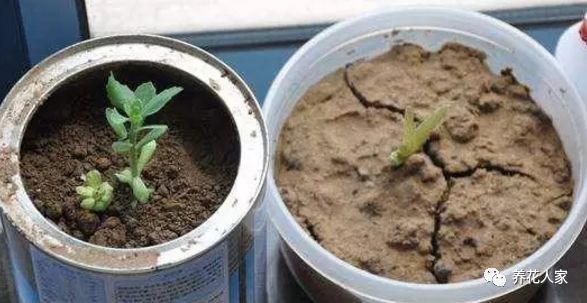
Friends who love growing flowers surely know that after caring for plants for a long time, it is inevitable during the process of plant care that the soil inside the potbecomes compactedand turns dry and hard.
In this situation, many people choose to repot and change the soil, providing a brand-new environment for the plants' growth.
Today the editor will share how to easily solve the problem of potting soil compaction.
FlowerCauses of Potting Soil Compaction
First, the water used for watering flowers has high hardness, meaning it contains more calcium and magnesium ions. These water-insoluble compounds accumulate in the potting soil, making it hard and compacted.
Second, improper use of chemical fertilizers. For example, in soil containing more calcium, applying ammonium sulfate will cause the potting soil to compact.
In addition, some people like to use soy milk, milk or egg white to water flowers. This unfermented protein not only cannot be absorbed by plants, but is also a cause of soil compaction.
SolTips for Solving Potting Soil Compaction
Change the Watering Method
1. Bottom-watering method:Opposite to the ordinary watering method, place the flower pot into a larger basin of clean water, so that water moistens the soil through the bottom of the pot. This is beneficial for preventing soil compaction and has certain benefits for root development, but the salts in the soil will rise with the water and accumulate on the soil surface and along the rim of the pot, easily damaging the nearby roots and stems. Therefore, for potted flowers, watering should often alternate between the bottom-watering method and the ordinary watering method.
2. Sand-column watering method:When potting or repotting flowers, first insert several hollow bamboo tubes or metal pipes into the empty pot, then fill with soil and press it firm, then fill the hollow pipes with coarse sand, and finally pull out the hollow pipes, so that sand columns form in the pot. The number of sand columns set depends on the size of the flower pot. Afterward, water only at the sand columns, so that water spreads evenly through the sand columns into the surrounding potting soil. This method can avoid soil compaction and has no side effects on plant growth.
Reduce the Use of Hard Water
Tap water in the north has relatively high hardness, meaning it contains much calcium, so use more rainwater or slightly acidic water for irrigation.
1. Use fermented rice-washing water to water flowers, or add one or two drops of rice vinegar to the watering water.
2. Put rotting apples, hawthorn, wild jujube, apricots and tomatoes, etc., into a container and ferment them for a period of time to make acidified water. When using, water directly or dilute with an equal amount of water; both can effectively prevent the potting soil from becoming alkaline and compacted.
3. Apply raw fertilizer on the surface to solve potting soil compaction. Loosen the surface layer of the potting soil, crush unrotted cake fertilizer, poultry manure, etc. into powder, and evenly sprinkle it on the surface of the potting soil. Do not sprinkle too much; it should be just enough that the potting soil is slightly visible, otherwise the heat produced by the fertilizer decomposing will burn the seedlings. After sprinkling, spray water promptly to promote fermentation of the raw fertilizer.
Using this method, on the one hand, after the dry fertilizer ferments on the surface of the potting soil, it also ferments the surface soil, making the soil loose; on the other hand, the fermented nutrients seep down with watering, so that the roots of the potted flowers absorb sufficient nutrients. This method cannot be used frequently, otherwise it is unfavorable to flower growth; generally, applying once every 3-4 months is appropriate.