Tips for caring for Aglaia odorata in summer, so it blooms all over the tree and its fragrance carries far
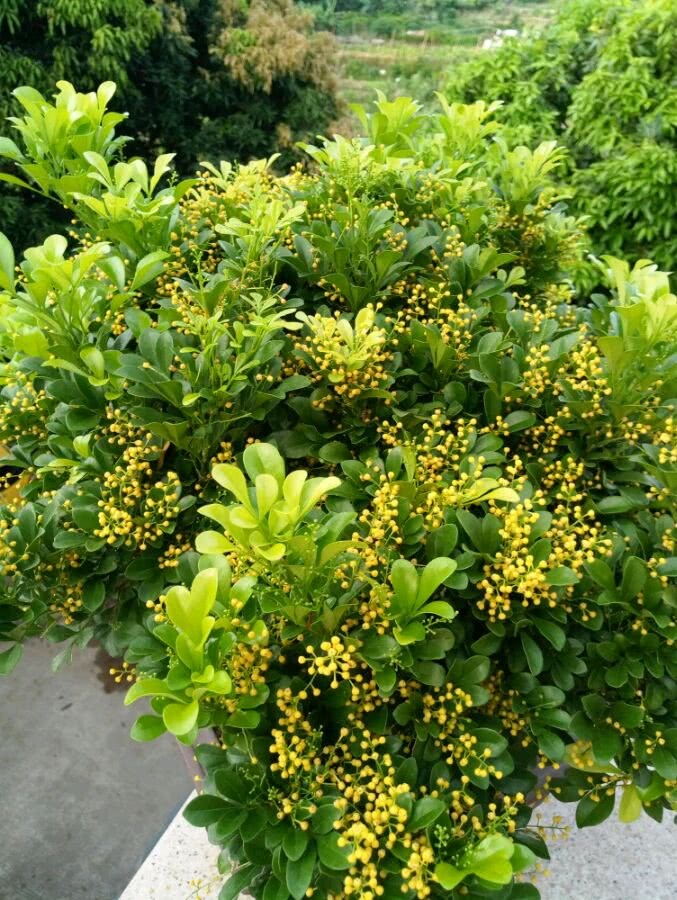
The flowering period of Aglaia odorata is from June to October, and June is the vigorous growth period for Aglaia odorata. Although the flowers of Aglaia odorata are small, each golden bloom gives off waves of delicate fragrance, and many flower lovers like to keep a few pots at home. When it comes to growing flowers, the most frustrating thing is none other than yellowing leaves, leaf drop, and failure to bloom. If you want Aglaia odorata to avoid yellow leaves and bloom continuously, you need to do these 5 key things well.
1. Acclimatization after potting. Some flower lovers like to wash the roots after buying a plant and bringing it home. Actually, that is fine too, but do not wash them too cleanly; just exposing the root hairs is enough, and it is best to keep the protective core soil. When potting, be sure to firm the soil, either by tapping the pot or lifting the root, then water thoroughly to settle the roots, and place it in a cool, ventilated place to acclimatize. Yellow leaves and leaf drop during the acclimatization period are very normal. After all, the roots have been disturbed. As long as it is not large-scale leaf drop, there is no need to panic.
2. Seedlings. Aglaia odorata is a heavy feeder. If it is hungry, it will develop yellow leaves and this will also affect flowering and fragrance. So generally, after repotting, once it grows new buds you can start fertilizing. Seedlings are still in the stage of growing their bodies, so you can water them with some rice-washing water. If you prefer to keep things clean, you can also use a general-purpose organic nutrient solution, which contains relatively more nitrogen, to promote strong root growth in Aglaia odorata and improve the roots' absorption capacity, so that every leaf can be glossy green.
3. Watering. Overwatering is also a main cause of yellow leaves. During the flowering period, too much water can also easily cause flower and bud drop, so you still need to control your hands. You can use a plant and soil moisture meter to check the moisture condition of the potting soil, and water only when it is short of water. Generally, water by letting it dry out and then watering thoroughly. Water slowly, stop when water covers the surface of the pot, wait for the water to seep in, then water again, until water leaks from the bottom of the pot. However, water in the north is alkaline, so you can water with ferrous sulfate once every 15 days. A piece of ferrous sulfate the size of a soybean mixed with 2L of water is enough. It must be mixed fresh and used immediately.
4. Promoting flowering. Aglaia odorata can bloom many times, so its nutrient demands are high. Some flower lovers ask, it already has buds, but they just will not open and stay green the whole time without turning golden yellow. When this happens, it may be due to a lack of fertilizer. You can use an acidic organic nutrient solution to supplement it, so that Aglaia odorata blooms more, with every bloom golden yellow, and then you can enjoy the floral fragrance.
5. Light. There is another possible reason: it may not be getting enough sun. Some flower lovers all say Aglaia odorata cannot be sunburned to death. Although that is a bit exaggerated, it is true that Aglaia odorata likes light. So it is recommended to give it more sun. Apart from the midday sun in midsummer, when you can pull up a shade net to block the harsh sun, it can be sunned at all other times. Of course, if your Aglaia odorata is healthy, you can also skip shading. The more sun it gets, the more fragrant the flowers.