The Complete Guide to Hydroponic Cultivation and Care of Cymbidium ensifolium
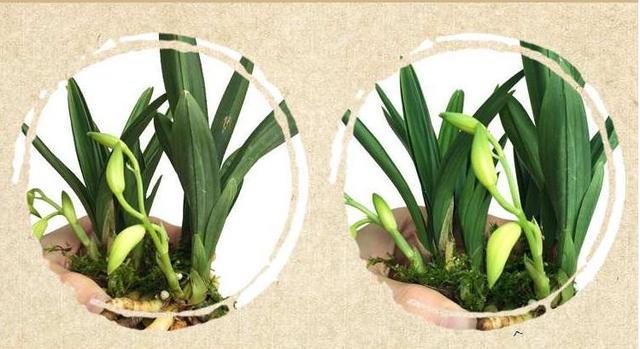
How to grow and care for Cymbidium ensifolium hydroponically?
Cymbidium ensifolium, also called the four-season orchid. Cymbidium ensifolium is a perennial herbaceous plant. After long periods of artificial cultivation, it has many varieties; those with white, spotless lips and two column wings are considered superior, known as "Suxinlan" (plain-heart orchids). Cymbidium ensifolium is one of the most common flowers in modern households, with great indoor ornamental value; the image shows a Cymbidium ensifolium in bloom.
1. Hydroponic Methods
(1) Method One Purchase Cymbidium ensifolium plants from a flower market, rinse them clean with water, and remove all the roots. Then, soak the plants in a 1% potassium permanganate solution for 10-15 min, rinse again with water, divide the plants intended for hydroponics into equal random portions, and place them in clean water to recover for about 1 week; after acclimation, proceed with nutrient solution cultivation.
(2) Method Two According to the size of the test plants, choose containers of roughly the same capacity and mouth diameter, and pour the nutrient solutions to be tested separately into brown glass bottles [Jishan Huayao].
Select relatively young Cymbidium ensifolium plants, rinse them clean with water, and cut off all the roots. Disinfect before placing in water: soak the plants in a 1% potassium permanganate solution for 10-15 min, then rinse with water, divide each type of test plant into equal random portions, first place the plants in clean water to recover for 1 week, and after acclimation, proceed with nutrient solution cultivation.
Pour the nutrient solutions to be tested separately into brown glass bottles, filling each to about 1/3 of the container, then place the Cymbidium ensifolium to be tested into the containers one by one, keeping the roots of the Cymbidium ensifolium in contact with the solution while the rest stays above the liquid surface. Place the planted specimens in a cool, shaded spot for 1 week; during this period, keep misting the leaves with water according to the condition of the plant's leaves. Once the plants regain their vigor, move the Cymbidium ensifolium to a suitable location for care.
2. Care Guide
(1) Light and Temperature Cymbidium ensifolium prefers shade and dislikes direct sunlight; it likes moisture and dislikes dryness, and the air must remain circulating. The optimum growth temperature is 15-30°C. It tolerates a maximum temperature of 35°C and a minimum of 5°C; otherwise it cannot grow normally. If exposed to blazing sun in hot summer, leaf scorch or withered, charred leaves appear within one or two days. When it encounters cold temperatures, frost damage occurs.
(2) Pest and Disease Control The flowering period of Cymbidium ensifolium falls in the high-temperature season from July to September, the season most prone to thrips and aphids attacking the buds and flowers, seriously affecting its ornamental value. Therefore, from the time Cymbidium ensifolium forms buds until full bloom, great care must be taken with prevention, combining prevention and control, to avoid suffering pest damage.