The king of wild vegetables in June: its potassium is 20 times that of ordinary vegetables, don't miss out on clearing heat and promoting longevity
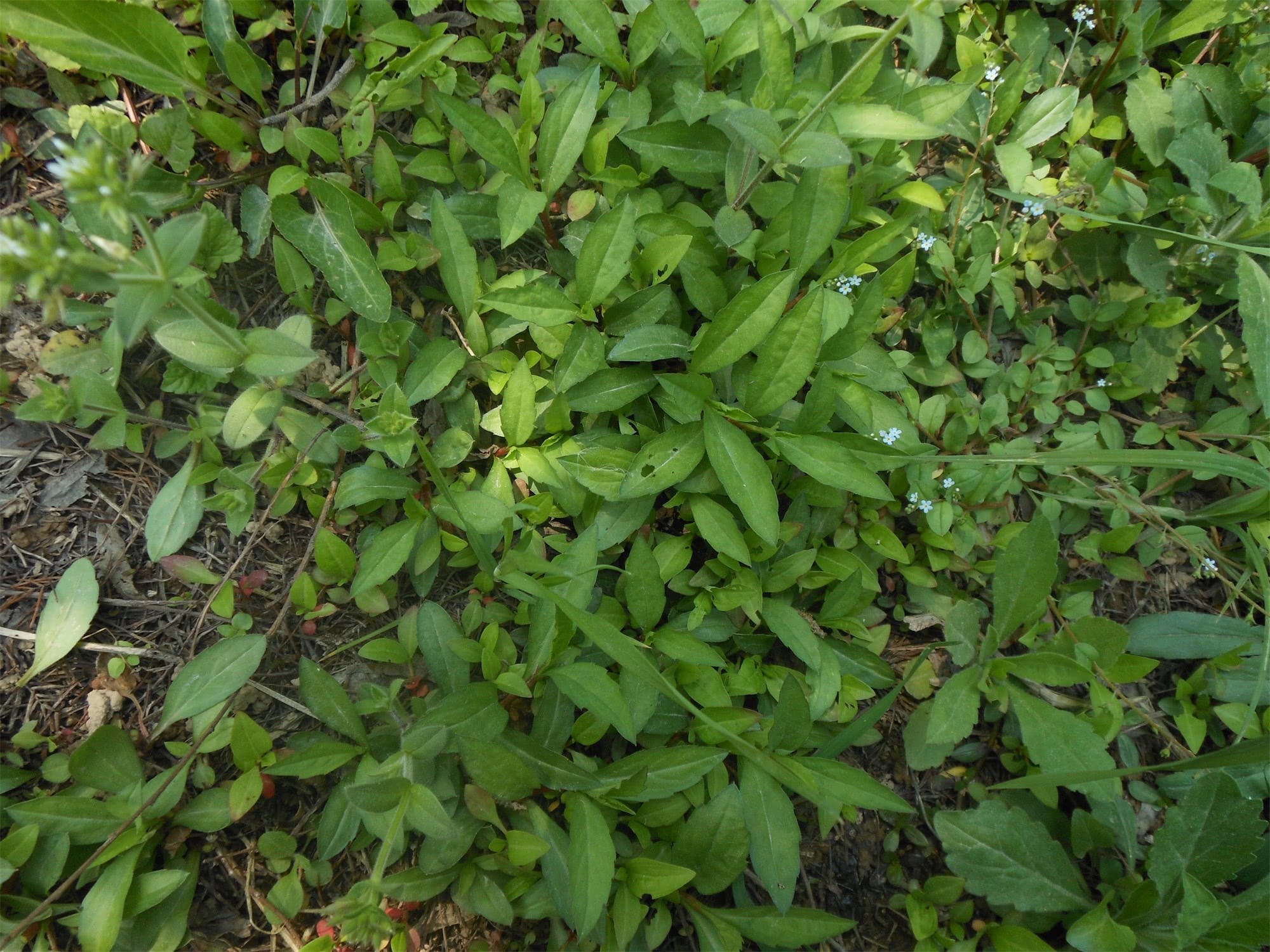
May has passed, and June has arrived. The weather in June is gradually getting hotter. In the city, most people turn on air conditioning to cool down, while in the countryside, farmer friends like to eat some heat-clearing foods, such as cucumbers, bitter melon and other heat-clearing vegetables, or watermelon and other heat-clearing fruits. However, quite a few farmer friends also love to eat heat-clearing wild vegetables.
In the rural countryside in June, there are these 2 kinds of wild vegetables that have a heat-clearing effect, namely purslane and Indian aster. However, if one must compare which of these 2 wild vegetables is better, most farmer friends think it is Indian aster, and they even call Indian aster the "king of wild vegetables in June." So what benefits does Indian aster have? Let's find out below.
Because it has been very hot these past few days, the author also felt a bit heaty, so early in the morning, I went with my mother to the mountains to dig wild vegetables, and the wild vegetable to be dug today was Indian aster.
Actually, Indian aster in this season is not as good as it is in March and April. After all, it has already bloomed, and after June, wild Indian aster is basically no longer edible, so if you want to eat wild Indian aster, you have to seize this last month.
Indian aster is also a relatively common wild vegetable in the countryside, found almost everywhere in rural hillsides, field edges and roadsides across our country. However, those at field edges and roadsides are not suitable for digging and eating, because pesticides are generally sprayed there.
I believe many friends living in the countryside have eaten Indian aster and purslane. These 2 wild vegetables are both June wild vegetables, and both are very tasty wild vegetables. So why is Indian aster said to be the king of wild vegetables in June? Actually, the main reason is that Indian aster's nutritional value is richer than that of purslane.
The author also checked relevant information. According to records, Indian aster is very rich in nutrition, containing abundant mineral elements and vitamins as well as beta-carotene, and more than 17 kinds of amino acids, of which 7 are essential to the human body. Among them, every 100 grams of the edible portion of Indian aster contains 31.5 mg of carotene, 530 mg of potassium, 145 mg of calcium, 46.8 mg of magnesium, and 69 mg of vitamin C. In particular, its potassium content is 20 times or more that of ordinary vegetables, while nutrients such as calcium, magnesium and vitamin C are also higher than those of ordinary vegetables, showing how high the value of Indian aster is.
And Indian aster not only has edible value, but also medicinal value. Its whole plant can be used as medicine, having the effects of clearing heat and detoxifying, resolving food stagnation, promoting urination, cooling blood and stopping bleeding, and draining dampness. Combined with its nutritional value, therefore eating Indian aster often in summer can not only clear heat and cool blood, but also have the effect of stimulating the appetite and promoting longevity. In the book "Bencao Zhengyi" it is recorded: "It best resolves heat toxin, can specifically enter the blood aspect, stops bleeding and cools blood, which is its particular specialty."
So how is Indian aster best eaten?
The author personally thinks that cold-tossed Indian aster with dried tofu is the most delicious.
Below is the cold-tossed Indian aster with dried tofu that the author made this morning, along with the method.
1. Remove the old stems and old leaves of the Indian aster, wash away the sand and soil with cold water, drain the water and set aside.
2. Bring the water in a cooking pot to a boil over high heat, put in the dried tofu and blanch for 2 minutes, remove and put into cold boiled water to cool, then drain and set aside.
3. Bring the water in a cooking pot to a boil over high heat, put in the Indian aster and blanch for 3 minutes, remove and drain the water.
4. Put the Indian aster into cold water and wash it repeatedly, finally squeeze out the juice from the Indian aster and chop it up.
5. Cut the dried tofu into small cubes about 0.2 cm square, put them into a bowl and mix with the chopped Indian aster.
Dear friends, June is the last month when wild Indian aster is edible. It would be too much of a pity not to eat it. Do you like eating Indian aster? Welcome to leave a message and share!