Don't throw away expired ointments - use them to grow flowers with glossy leaves and more blooms
Erythromycin ointment
Erythromycin ointment and eye ointment are found in almost every household. This small tube of ointment costing just a few cents works wonders for growing flowers!
1. Suppressing leaf spot disease
For foliage plants like pothos (Epipremnum aureum), after contracting leaf spot disease, many spots appear on the leaves. Apply erythromycin ointment to the affected leaves, spreading it evenly on both sides, to kill pathogens and inhibit the spread of infection.
2. Sterilizing wounds
When moving or caring for flowers, it's inevitable that they get bumped or knocked. At times like this, applying erythromycin to the wound can produce a great sterilizing effect!
Miconazole nitrate ointment
1. Preventing and treating root rot
When repotting flowers, gardening enthusiasts often accidentally damage the root system. At this point, apply some miconazole nitrate ointment to the root wounds, let them dry slightly before repotting, and you can avoid wound decay that causes root rot.
2. Disinfecting succulent black rot and mushy rot
After beheading succulents or removing black rotted parts, apply a small amount of miconazole nitrate ointment to the wounds for a great sterilizing effect.
Besides these small ointments, some sterilizing solutions can also be used for growing flowers!
Hydrogen peroxide solution
1. Increasing oxygen content in hydroponic bottles
Add a small amount of hydrogen peroxide to a hydroponic bottle. The hydrogen peroxide will slowly release oxygen, increasing the oxygen content in the bottle and promoting plant growth.
2. Sterilizing and disinfecting
Fleshy-rooted flowers like clivia (Clivia miniata) often suffer from root rot. After treating root rot, if you don't have professional disinfectant on hand, you can use hydrogen peroxide as a substitute.
Potassium permanganate solution
1. Suppressing root rot
When repotting flowers, potassium permanganate solution is the sterilizing solution of choice for many gardening enthusiasts. Soak the flowers for about 30 minutes, then take them out, let them dry, and repot - this can effectively suppress root rot!
2. Sterilizing potting soil
After diluting potassium permanganate with boiling water, soak the flower pot with soil in the potassium permanganate solution. Once the water cools, take the pot out, rinse off any residue with clean water, and the potting soil is sterilized!
Calcium tablets
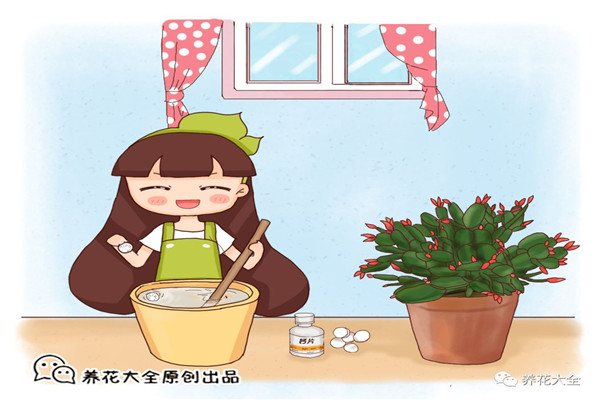
Cacti need a certain amount of calcium fertilizer to grow, and some calcium tablets usually contain a certain amount of phosphorus. You can crush calcium tablets and mix them into the potting soil or dissolve them in water to water the flowers directly.
Never throw away expired medicines at home again!
Do any fellow gardening enthusiasts have other exclusive little medicine tips?
Feel free to leave a comment and share with everyone~