What to do if your bonsai loses its shape? Master this method to solve it effectively
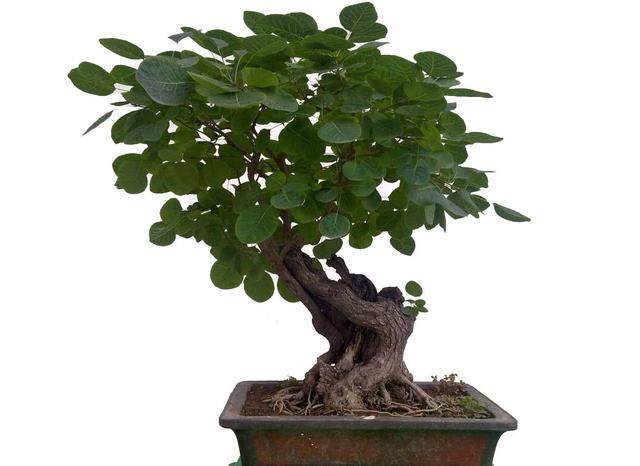
As works of art, newly shaped bonsai are sometimes fresh and lively, sometimes vigorous and elegant, sometimes delicate and unrestrained - truly varied in a thousand ways, pleasing to the eye. But the plants in a bonsai grow over time, which disrupts the original shape. So if you want your bonsai to keep its shape, what should you do?
To keep a bonsai from losing its shape, you need to prune it, and at certain times also carry out pinching, bud removal and leaf removal.
Bonsai pruning techniques:
To maintain the shape of a bonsai, you need to regularly prune newly grown branches. Wheel branches, parallel branches and crossing branches all affect the appearance and cause the bonsai to lose its shape, so they need to be pruned. For densely growing branches and leaves, thinning is needed. As for pest-damaged branches, they must be cut off immediately. To keep a bonsai from losing its shape, you must prune it in time, and the pruning method depends on the shape of the bonsai. Generally speaking, long branches are cut shorter and dense branches are thinned out.
Pinching:
If the plants in the bonsai grow too vigorously, or if the branches in one spot are too sparse, you can pinch off the tender tips of the shoots to inhibit growth and promote the growth of side branches, so the bonsai will not become messy and disordered.
Bud removal:
Buds will sprout at the base or on the trunk of the plants in a bonsai. When they sprout, you need to remove some to avoid forked branches forming and affecting the appearance. Moreover, if they are not removed, they can easily lead to pest problems. So apart from the parts that must be kept, all the rest should be removed.
Leaf removal:
For foliage-type bonsai, leaf removal treatment is also needed. This is because the best viewing time for this type of bonsai is when the new leaves have just emerged. Leaf removal not only increases the number of times the tree sprouts, but also makes the bonsai look even better.
Root pruning
Besides external pruning, the roots hidden in the pot also need to be dealt with. Generally, when repotting, the roots should be pruned appropriately. If the roots are too dense or too long, they need to be pruned, handled specifically according to the situation. If the new roots are not developing well and the root tips are all at the bottom of the soil ball, then no pruning is needed, and you continue to use the original pot when repotting. If the roots are developing very well and the root hairs are all at the bottom of the soil ball, then the roots need to be thinned, removing the old roots and keeping some new roots for repotting, and at this time you need to change to a slightly larger pot. For some old-stump bonsai, when repotting, you need to raise the roots, and cut off the old roots and the root end portions, adding loose, fertile soil to help new roots develop.
Bonsai have high ornamental value, but they also require patience to care for. If you want your bonsai to keep its shape, you must prune the newly grown branches and leaves in time, and timely pruning can greatly improve the ornamental value of the bonsai.