Orchid buds turning black and dropping? Find the cause and treat it promptly
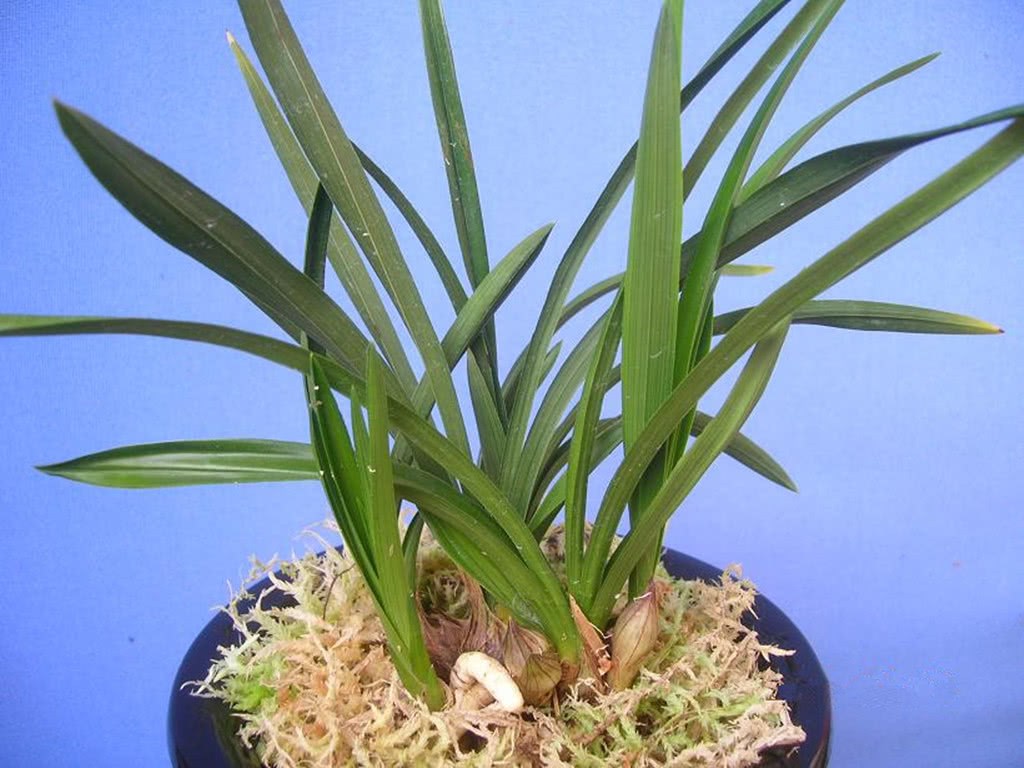
Orchid buds turning black and dropping? So this is where the problem lies, and it needs prompt treatment!
As an elegant ornamental flower, orchids take some effort to care for. Beautiful, vibrant blooms are what every grower looks forward to most. However, during everyday care, orchids frequently drop buds and their buds turn black, which is truly heartbreaking. So where does the problem lie? And what should be done about orchid bud drop?
Usually, for a mature orchid, the differentiation period, the flower bud differentiation, takes about one year. Different orchids undergo different nutritional cultivation before the buds emerge from the soil. The flowering periods differ in length and timing; for Cymbidium kanran, Cymbidium goeringii and others, after the buds emerge from the soil, the stages of growth, bud development and differentiation take a relatively long time. This process takes about half a year. For Cymbidium ensifolium, summer Cymbidium kanran and others, from the buds emerging from the soil to flowering takes only about one month, a relatively short time.
Prevention and treatment of orchid bud drop during the vernalization period: regardless of whether there is a vernalization period, attention must be paid to the management of water, fertilizer and light. There are many causes of orchid bud drop and death, but most are caused by too much fertilizer, too much watering and poor ventilation. At this point, we should not fertilize once flower bud differentiation begins, only apply top dressing; because at this time its nutrition is sufficient, so the amount of fertilizer needs attention.
At the same time, during the orchid's flowering period, attention must be paid to the management of fertilizer and water to promote the growth and swelling of the flower buds. Moreover, the ambient temperature during the vernalization period is generally higher, so frequent sterilization and disinfection are needed to ensure the orchid's normal growth. Once the orchid's buds emerge from the soil, attention must be paid to fertilizing, watering and light, taking great care to prevent bud drop.
Orchids in the bud development period need special attention regarding fertilizer and water. Because during the bud development period, in autumn and winter, orchids need additional fertilizer to keep the buds swelling and growing with sufficient nutrients. The interval between disinfection and fertilizing should be kept at about 7-10 days, and it must not be too frequent or too concentrated; keep the plant in sufficient light, otherwise insufficient photosynthesis will lead to root rot. In addition, attention must be paid to controlling water and fertilizer before flowering. When the buds are relatively small, pay attention to watering to ensure flower quality; if you are not entering a orchid show, just let it grow naturally and do not deliberately adjust the orchid's daily care.
In addition, pay attention to matters concerning orchids during the growth period. Fertilizing orchids during the growth period should mainly use nitrogen fertilizer, which can promote plant growth, improve the orchid's disease resistance and ensure the conditions for flower bud growth. Therefore, whether an orchid can flower normally is closely tied to its earlier daily care. Do you have any other good methods for treating this kind of orchid ailment?