The main reason for yellow leaves on gardenia, master this and it will never have yellow leaves again
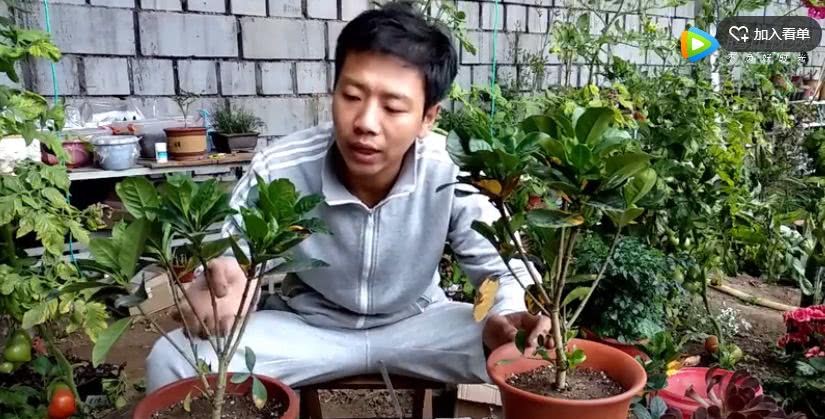
Hello everyone, many flower lovers are asking why their gardenias are prone to yellow leaves. Those that have been repotted have yellow leaves, and those that haven't been repotted also have yellow leaves. Today let's talk about the reason
The gardenias we buy are all in relatively compacted yellow clay soil. This is because when they are in the greenhouse, they are all propagated by cuttings. When first cut, the yellow clay is not compacted. Just after cutting, the yellow clay soil has very good water retention and very good water absorption, which is very helpful for the success of the cuttings.
After the cuttings survive, they place the entire seedling pot on the ground. After the gardenia absorbs all the nutrients from the yellow clay soil, it will grow roots downward deeply, breaking through the pot to absorb nutrients.
In the greenhouse, watering is done by direct flood irrigation in separate sections. It absorbs water from the ground. There are roots inside the flower pot, but the roots that absorb nutrients and water are all rooted in the ground. There are very few nutrients in the pot soil.
Every time it absorbs water and fertilizer, it is through the main roots in the ground. When it is time to sell, they lift the seedling pot from the ground, but there are too many roots and they are too deep, so they directly use a knife to cut them off. This is why the gardenias we buy generally have cut roots.
The soil in its flower pot no longer has nutrients. After being brought to the market, no problems can be seen for one or two months.
But once it comes to us, once it transitions to a larger environment, it is prone to yellow leaves, wilting, and dropping flower buds. Even after repotting, it may not necessarily stop this yellowing of leaves, it will only gradually lessen.
At this time, if we want to see flowers, we can only solve it by supplementing fertilizer. Use this kind of phosphorus and potassium fertilizer, such as monopotassium phosphate, diluted at a ratio of 1:1000, and add a little when bottom-watering the flower pot.
But do not add it the next time you water, let it have an interval. Too many nutrients in the pot soil can easily burn the roots, so do not use too much fertilizer.
As long as it has new leaves coming out, some of the old leaves will fall off. This is also normal. The new buds and new leaves that grow later will be leaves suitable for your home environment, and the flowers that bloom will be flowers suitable for your home environment.