Plant a pot of this fruit: 2 steps, and the branches will be loaded with fruit
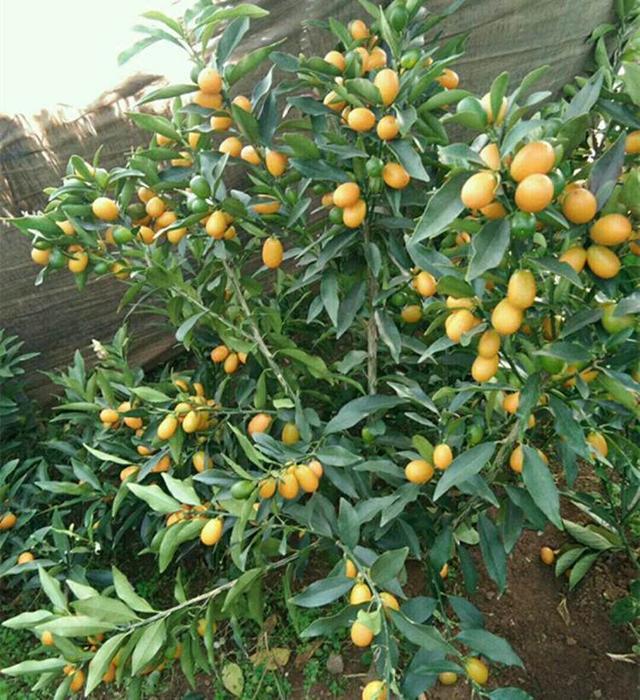
Kumquat is a fairly attractive and tasty fruit plant for pots. Grow one or two at home, pay attention to 2 "steps" in care, and the fruit will hang all over the branches, more than you can eat.
Step one: planting
Kumquat usually requires deep soil, good drainage, and slightly acidic sandy loam or gravelly loam with a pH of 6~6.5. When transplanting, the roots should be kept with a soil ball, and the branches should be thinned appropriately. In daily management, pay attention to the following 4 points:
First, the soil must not be alkaline; if it has already become alkaline, it should be improved immediately with chemical fertilizer. Second, kumquat likes fertilizer; apply base fertilizer every winter along with deep digging, and apply topdressing during the growing season. Third, shaping and pruning should be moderate.
When kumquat is grown as a potted ornamental, it is generally repotted once every 2~3 years. After enjoying the fruit in winter, all the fruit can be removed at Spring Festival, and repotting can be done between the Spring Equinox and Qingming. When repotting, trim the roots and prune the branches, basically keeping the original soil ball at the roots, and simply cut off the outer old soil as well as rotten roots and long roots. When pruning branches, cut the previous year's branches back to 2~3 buds from the base.
The planting soil is 4 parts humus soil, 5 parts sandy soil, and 1 part cake fertilizer, or 4 parts humus soil, 2 parts garden soil, 3 parts yellow sand, and 1 part decomposed compost. After all are crushed and sifted, mix them thoroughly to prepare the soil. When repotting, generally use a pot one size larger than the original. First spread a layer of potting soil on the bottom of the pot, then add 50~100g of horseshoe slices or other decomposed organic fertilizer as base fertilizer, cover it with a thin layer of soil, and then plant the trimmed plant into the pot.
Step two: water and fertilizer
Kumquat needs sufficient water and nutrients during the growing period. Potted kumquat is generally moved outdoors in early May, and before that, decomposed dry manure powder or oil cake residue can be applied once, 30~50g per pot. After being moved outdoors, place the pot first in a spot with half shade and half sun, and water it thoroughly once immediately so it gradually adapts to the outdoor climate. After that, water whenever the soil looks dry, keeping the potting soil consistently moist.
Half a month after being moved outdoors, apply once a diluted organic liquid fertilizer specially for fruits and vegetables as topdressing, diluted 500 times and poured at the roots. After a period of outdoor hardening, it can be placed directly in the open air and given sufficient water. Except on cloudy days, generally water heavily once a day, and at the same time keep applying liquid fertilizer once a week.
Summer is the season of vigorous growth and flowering for the plant. In addition to watering thoroughly once every afternoon, water again in the morning. When the potting soil turns white, replenish water appropriately. Topdressing should also be increased to once every 3~5 days.
After autumn, because there is a lot of rain in northern regions, drain any accumulated water in the pot in time. After autumn, both watering and fertilizing should be reduced appropriately. In early to mid-October, move it indoors to a spot with plenty of sunlight for cultivation. After being brought indoors, the plant gradually enters a semi-dormant state, so watering should be controlled, generally once every 3~5 days. In winter, the indoor temperature should be kept stable at 5~10°C.