How to care for clivia in summer so it gets through the season safely
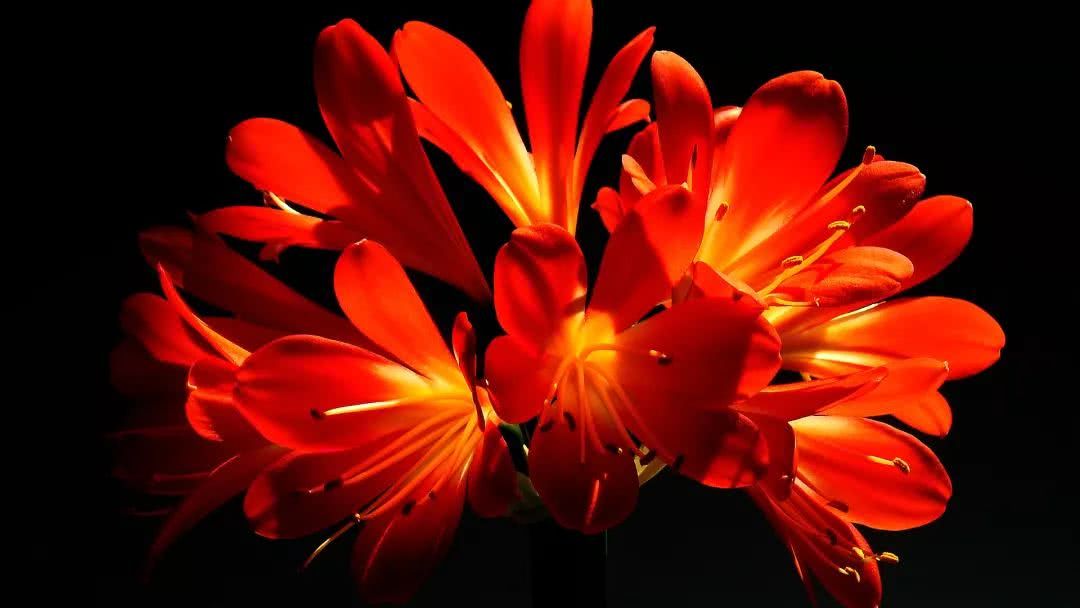
Clivia is grown in many flower lovers' homes, but caring for clivia in summer is still not easy. So how should clivia be cared for in summer?
Avoid scorching sun
In summer, the sunlight is very harsh, so at this time you must provide clivia with shade, or simply place it in a spot with half shade and half sun, letting it receive only scattered light in the morning and evening, and avoid scorching sun.
Prevent high temperatures, avoid dryness
Summer temperatures are very high, so you can move the clivia into an air-conditioned room, or place it on a balcony that is well ventilated and shaded. You can cool it down and keep it moist by spraying water on its leaves.
Stop fertilizing
In summer the weather is extremely hot. Clivia enters a temporary dormant period at temperatures above 30C°, so fertilizing should be stopped before the high-temperature period begins, to avoid injuring its roots due to too much fertilizer.
Watering
Because summer temperatures are high and water evaporates quickly, clivia should be watered once every morning. But watering also depends on the weather conditions and how dry or wet the potting soil is. It is recommended to water in the morning or evening, and be sure not to water at noon during high temperatures.
When watering, water thoroughly only after the soil has dried out; do not let the potting soil stay in a state that is neither dry nor wet, otherwise the stuffy, hot weather of summer will cause problems with its root system.
If there is continuous overcast rain in summer, promptly tilt the pot to pour out the water inside it, or you can choose to move the flowers back indoors for care.
Prevent pests and diseases
Because summer is hot and humid, bacteria and the like are very likely to cause infection. During care, avoid letting clivia get wounded and developing a bacterial infection. In addition, pay attention to ventilation to avoid the occurrence of scale insects.