How to prevent Cymbidium ensifolium from dropping flower buds during its blooming period? Master these tips to easily grow a pot bursting with blooms
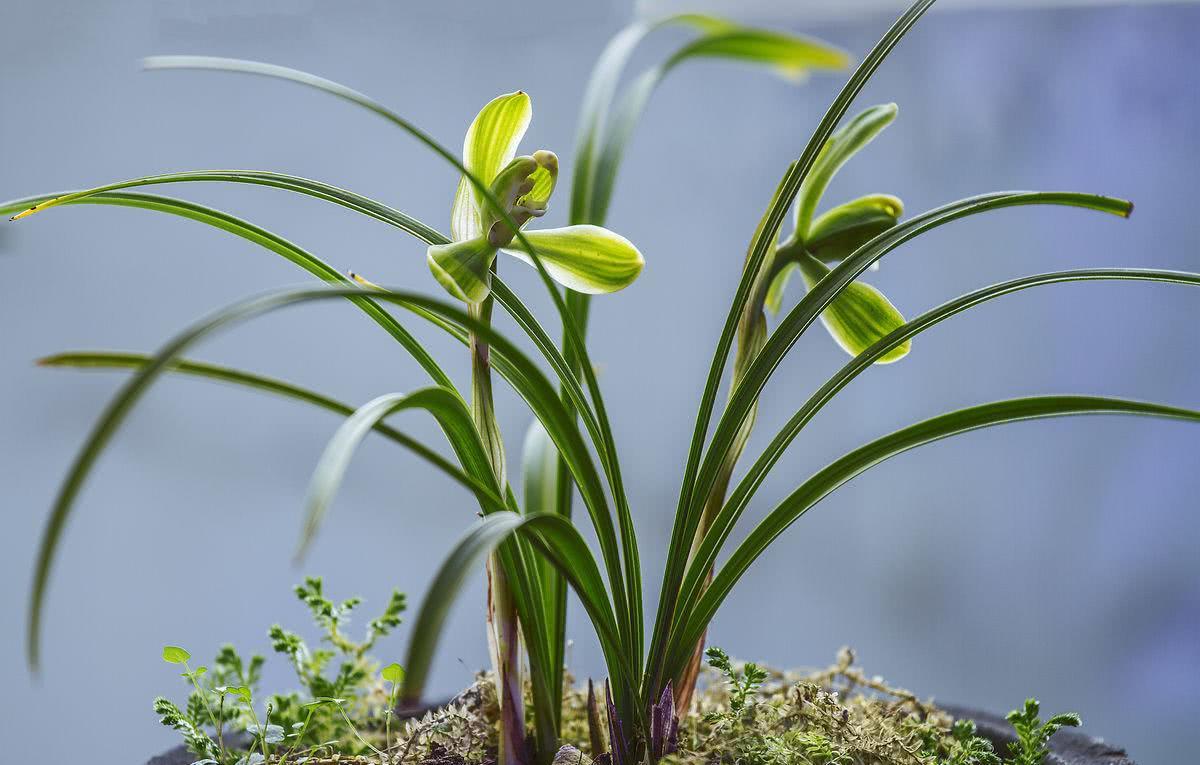
Cymbidium ensifolium has an upright plant form, with slender, long leaves in a deep green color, and bears small, delicate and elegant flowers that give off wafts of light fragrance. Its blooming period falls in the hot summer, giving people a feeling of refreshment and vitality. Precisely because its blooming period is in summer, problems such as bud blasting and bud drop are always noticed during the care process. So below, a few care tips are introduced for everyone, so that Cymbidium ensifolium can have abundant flowers and lush leaves!
Light
Cymbidium ensifolium by nature does not like strong direct light and prefers scattered light, so when growing it in summer, if it is indoors, it is recommended to place it on a north-facing balcony. If it is outdoors, then it must be given some shade, especially at noon, be sure to pay attention, otherwise Cymbidium ensifolium is easily scorched by the sun. However, Cymbidium ensifolium needs to be grown in a well-ventilated place, otherwise the stuffy heat of summer can easily smother the flower buds and make them drop.
Water
Summer temperatures are relatively high, and the potting soil can easily dry out, which will cause the flower buds to dry up and thus drop. So when watering Cymbidium ensifolium, when you see the soil color is relatively light, water it thoroughly in time. When watering, do not pour water into the leaf center or onto the flower buds, as this can also cause bud blasting. If you do not know how to water, you can choose to use the immersion method.
Fertilizing
Summer temperatures are relatively high, so the amount of fertilizer given to the plant must be controlled, otherwise too much fertilizer will burn the root system and cause it to rot directly. So when fertilizing Cymbidium ensifolium, be sure to use a microbial inoculant specially made for fertilizing orchids. This can not only prevent the soil from compacting, but also supplement nutrients for Cymbidium ensifolium, making the flowers bloom more brilliantly. In addition, it can also increase the disease resistance of Cymbidium ensifolium.
There is more wind and rain in summer. If it is grown outdoors, be sure to pay attention, otherwise the flower spike can easily be broken by the wind, so when encountering strong winds and rainstorms, it must be moved indoors.