How do you water bonsai correctly in summer without harming the plants?
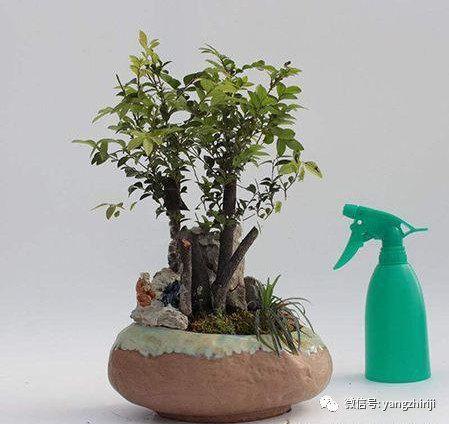
Temperatures have been climbing again and again recently, and some areas in the north have reached 40°C! The scorching heat of summer is definitely a challenge for bonsai care! The death of some bonsai in summer is directly related to watering, so watering is a very important part of summer bonsai care. Only by watering bonsai correctly can you ensure they make it safely through summer. So what exactly should you do?
How do you water bonsai plants correctly?
Choosing water quality:
It is best to use rainwater, which has comprehensive nutrients and suits acid-loving flowering trees and shrubs; river water and pond water are also good choices.
If conditions are limited and you can only water with tap water, be sure to let it sit for several days so the chlorine in the water dissipates completely.
Watering flowers with rice-washing water is also very nutritious, but note that it must be fully decomposed.
Never water bonsai with alkaline water such as laundry detergent water or soapy water.
Watering time:
Choose a watering time when the water temperature and the pot soil temperature are similar. Too great a temperature difference will damage the potted bonsai, so in summer it is best to water in the morning or evening.
Watering frequency:
Water once each in the morning and evening. Before and after the hottest period at noon, spray water promptly to increase humidity, so the plants do not develop yellow leaves or scorch.
If the pot is small and shallow, evaporation is fast, so water more often; if the pot is large and deep, it will not dry out thoroughly for a while, so water correspondingly less often.
Be careful not to let water accumulate, as over time this can easily cause root rot and lead to plant death.
On rainy days, bonsai placed outdoors should be drained promptly, and those placed indoors should be watered less often, just once a day.
Watering amount:
Clay pots have good air permeability and water evaporates easily, so increase the amount of water.
Ceramic pots, stone pots and the like have low water permeability, and the pot soil does not dry out easily, so reduce the amount of water appropriately.
How do you rescue bonsai plants that have already become dehydrated?
When the tender branches of the plant have already wilted and drooped, the leaves have turned yellow or even fallen off, and the needles of pine and cypress bonsai have become soft, it means dehydration has occurred. At this point, immediately move the bonsai to a shady place, and after its temperature drops, water lightly and spray the leaf surface, then after another hour, water thoroughly.
When the plant is severely short of water and the branches have also shrunk severely, do not water thoroughly all at once. At this time the plant's root cortex has already shriveled, and a sudden large amount of water will cause the cortex to rupture and the bonsai to die. After the previous step, a dehydrated bonsai should still be kept in a shaded place to recover for a few days, and once it regains vitality it can be moved back to its original spot for normal care.
Alright, that is all Jiumei has to share about how to water bonsai correctly in summer!
Flower-loving friends who like this, remember to follow and like.
If you have different views or methods, you can leave a comment.