Reasons jasmine flowers dry up and drop halfway through blooming, and branches and leaves wither
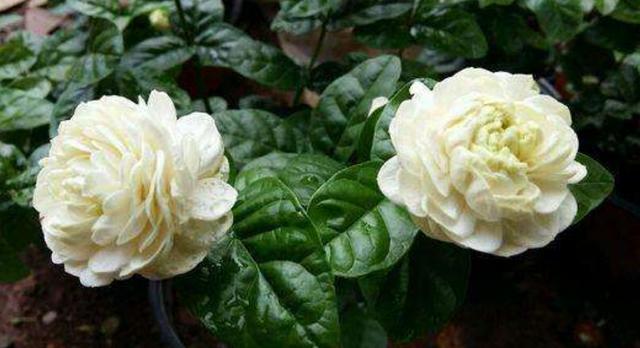
Summer is the peak blooming season for jasmine, but many growers say their jasmine originally had quite a lot of buds, yet for some unknown reason the buds wither and drop halfway through opening, and then the surrounding leaves also show wilting and drying. What exactly is the cause? Today we will analyze it in detail.
1. Overwatering or underwatering. Jasmine is a water-loving plant, but there is no hard and fast rule about when to water. Generally we recommend watering jasmine according to the principle of "water when dry, keep dry between waterings." If you water too frequently during the bud stage and the potting soil cannot dry out for a long time, the jasmine's root respiration will be blocked, water cannot be properly transported to the buds or branches, causing root rot or preventing the buds from opening normally, and the branches and leaves will also turn yellow and drop.
Summer temperatures are high. If your jasmine is grown under full sun, you must promptly observe the moisture level of the potting soil. If the potting soil has dried out completely and you have not replenished water in time, it will quickly cause the buds to fail to open normally due to lack of water or to drop. Jasmine is a woody plant, and its branches and leaves store relatively little water themselves; combined with the intense summer sun, even a single occasional drought and water shortage can easily cause the leaves or branches to dry up or wilt.
2. Overfertilizing or insufficient fertilizer supply. Jasmine is a typical fertilizer-loving plant, and an adequate nutrient supply is one of the important conditions for ensuring jasmine can be covered in flowering branches. When growing jasmine, growers often suggest the saying "just serve it with plenty of water and plenty of fertilizer," but everything must have a limit. Overfertilizing or applying only the same single fertilizer over the long term can easily cause jasmine in the bud stage to suffer root burn because it cannot absorb all the nutrients, or cause buds to drop due to insufficient nutrient supply, and in severe cases it can endanger the entire plant, causing branches or leaves to wither. Some growers do not recommend fertilizing during the bud stage, but in fact plants need even more abundant nutrient supply during the flowering period. For any plant, as long as it is not in the dormant period, applying dilute fertilizer frequently rather than a large dose at once is beneficial and harmless to the plant.
3. Unsuitable environment or uneven light. Growers who often cultivate jasmine know that jasmine loves sunlight very much. Adequate light is the prerequisite for jasmine leaves to carry out photosynthesis and make the plant vigorous. If your jasmine is grown on an indoor balcony, you must give it a fixed spot with the best light, and during the vigorous growth period turn the pot regularly so the plant receives light evenly. Remember not to move it back and forth during the bud stage; jasmine buds are very fragile. A normal bud will turn yellow and drop on its own one day after opening, and moving it back and forth can easily cause unopened buds to drop due to environmental discomfort or handling.
In addition to the above reasons, compacted potting soil can also make the plant grow poorly, causing the roots to be unable to provide normal nutrient supply to the buds or branches and leaves, resulting in buds failing to open normally or damage to branches and leaves. You should regularly observe the condition of the potting soil and loosen the soil in the pot promptly when compaction is found. When fertilizing, applying inorganic fertilizer together with decomposed organic fertilizer can increase the humus content in the potting soil and make the soil looser and more breathable. Repotting jasmine once every spring in a well-drained, slightly acidic sandy loam can effectively prevent soil compaction during the bud stage.