Don't throw away this kind of waste at home - use it to feed your potted plants for big, brightly coloured flowers and glossy green leaves
Growing flowers is impossible without fertiliser. To make flowers grow well, we often worry about what fertiliser to use. In fact, there are many things at home that can be used as flower fertiliser, especially these "waste materials" at home.
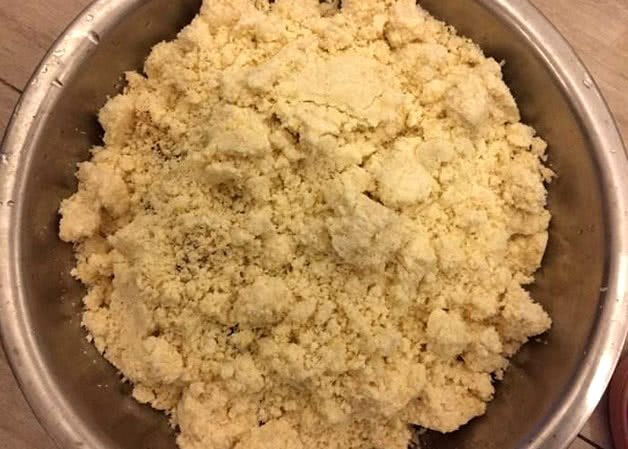
For example, the residue left after making soy milk from peanuts, soybeans, black beans and the like, or the residue left after pressing oil from sesame seeds, can all be composted and used as fertiliser. This is what we often call cake fertiliser. They are all nutrient-rich fertilisers, and using them to grow flowers is even better than bought fertiliser.
These homemade fertilisers contain a variety of nutrient elements and abundant organic matter, with a mild and long-lasting effect. Besides providing long-lasting fertilising power for flowers and green plants, they can also improve the soil, making it loose and airy without compaction.
The general process of composting fertiliser is as follows:
Put the above-mentioned soybean residue, peanut residue and so on into a large plastic bottle, then add 10 times the amount of water, stir well and cover tightly. In the hot summer, it takes only about 20 days for fermentation to complete, and this rotted fertiliser becomes a pulpy fermented substance.
When using it, dilute it with 20-50 times more water according to the amount needed, stir carefully until evenly mixed, and a top-grade organic liquid fertiliser the colour of strong tea is ready.
During the process of composting and using the fertiliser, these points need attention:
1. The liquid fertiliser applied must be fully rotted;
2. When applying this liquid fertiliser to flowers and trees, it must be diluted with water in a certain proportion to reduce the concentration before use, and the principle of frequent application of weak fertiliser should be followed.
3. Since the composted cake fertiliser is a quick-acting fertiliser with high fertilising power, avoid pouring the liquid fertiliser on the branches, leaves and flowers of flowers and trees. If it is accidentally poured on them, rinse it off promptly with clean water.
Besides composting liquid fertiliser, you can also mix soybean residue with garden soil in a 1:5 ratio and use it as a base fertiliser for potted plants. Of course, it must first be piled up and rotted before use, and when applying it, special care must be taken not to use too much.