"Dry for orchids, wet for chrysanthemums" has killed several pots of orchids, and many orchid growers have suffered greatly from it
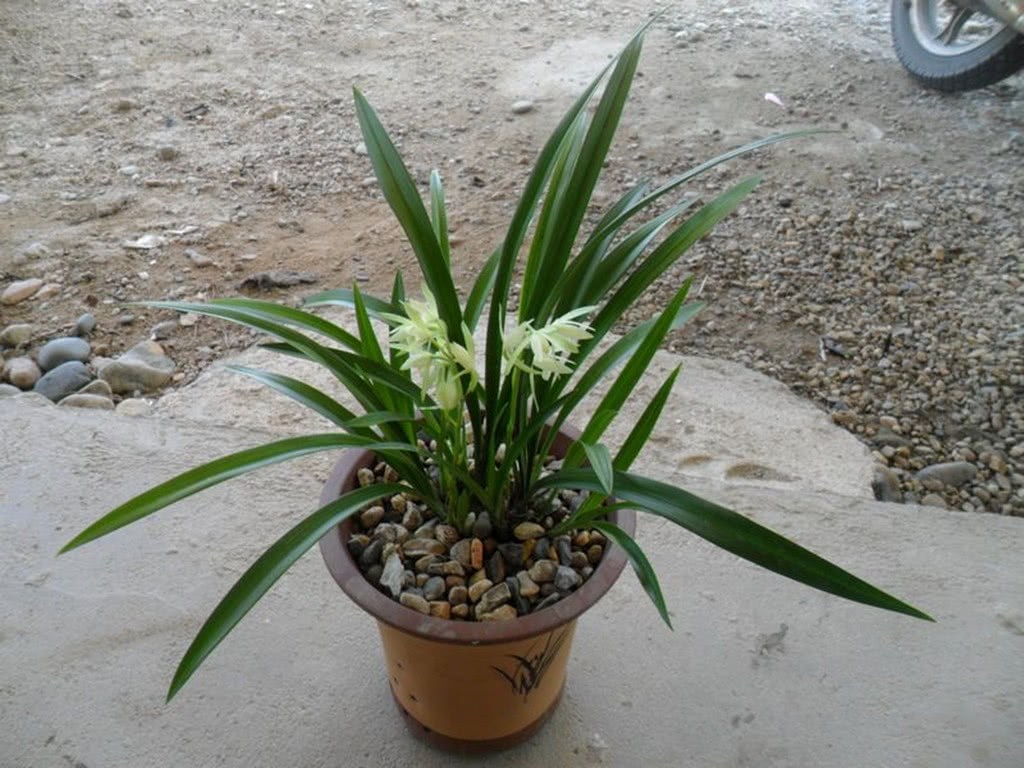
"Dry for orchids, wet for chrysanthemums" has killed several pots of orchids and caused great suffering for many orchid growers.
When caring for orchids, drawing on the valuable experience of veteran growers can also help us beginners just starting out with orchids avoid detours. At the same time, it also lets us beginners grow the orchids we love. However, drawing on experience does not mean copying it wholesale; using it blindly without thinking will also mess up your orchids!
Among them, this old saying about growing orchids from the ancients: "Dry for orchids, wet for chrysanthemums." has caused many orchid growers' orchids to end up battered and rotten because of this saying. At the same time, it has also harmed many orchids and caused great suffering for many orchid growers. Just which part of this went wrong? Now, on careful thought, to sum it up, the editor believes there are these several reasons.
One situation is a deviation in understanding this saying. As for "Dry for orchids, wet for chrysanthemums," some orchid-growing friends believe that orchids like a dry environment and chrysanthemums like a moist environment. In fact, this understanding is unfair; the environment orchids like is mainly related to the orchid variety. Some orchid varieties really do prefer a somewhat drier environment, while some orchids need a moist environment.
Another situation is a deviation in practice. An orchid-growing saying like "Dry for orchids, wet for chrysanthemums" is not perfect and does not suit all orchids. Moreover, caring for orchids must also be judged according to regional differences, and it is also related to the orchid growing medium each person uses when caring for orchids.
The last situation is not being clear about the habits of the orchids you are caring for. We all know that to care for the orchids we love, we must first understand the orchid's natural ecological environment and understand what your orchid variety needs. By satisfying the orchid's natural environment as much as possible, the orchid can better and more quickly integrate into the new environment. In fact, growing orchids requires combining the experience of old masters with your own practice. Do not completely trust or copy others; be brave enough to innovate so that you have your own unique approach.
Thank you for taking your precious time out of your busy schedule to read patiently. Reading takes you to an even higher level. In addition, if you have any thoughts or views, you can post them in the comment section below. Everyone is welcome to bookmark or share! Click the word "Follow," and you will be able to read more articles about growing orchids.