How to grow Lychnis coronata? Sharing practical planting tips
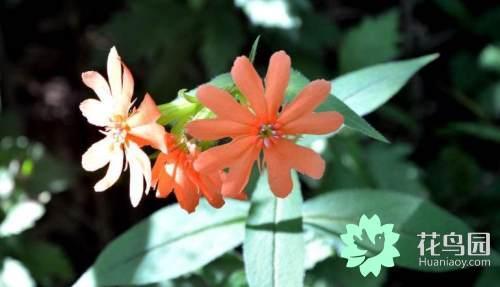
Lychnis coronatais a common flower variety, and it is currently distributed in many places in our country. Lychnis coronata has very high ornamental value, and generally the flowers are the main ornamental point. Its flowers are usually red, which is more common. Nowadays, many people grow and plant it, but before planting, we still need to have a comprehensive understanding of its planting techniques.
How to grow Lychnis coronata
1. Lychnis coronata can be propagated by sowing, and the propagation time is in spring and autumn. For spring sowing, it is generally done in March to April, while autumn sowing is in August to September. In northern regions, sowing can be done in a greenhouse.
2. When sowing Lychnis coronata, you can choose relatively loose soil. Generally, a sowing bed or seedling tray is enough. Add soil and water it thoroughly, then mix the seeds with fine sand and scatter-sow them. After sowing, note that you should cover them with a layer of soil.
3. After sowing, pay attention to maintaining a suitable temperature. Generally, seedlings emerge in about 7 to 10 days. After germination, pay attention to maintaining ventilation. When one leaf has grown, you can thin the seedlings, and when 5 leaves have grown, you can transplant and set them in place.
Planting methods for Lychnis coronata
1. Choosing soil: Lychnis coronata seeds have low requirements for soil. Generally, well-ventilated sandy soil with good drainage is enough for normal growth.
2. Land preparation: When preparing the land, plow deeply more than 20 cm and apply 800-1000 kg/mu of decomposed farmyard manure. Make beds or ridges 1.2 m wide.
3. Sowing and seedling raising: For spring sowing, sow in early May, mainly in drills, with a row spacing of 20 cm and a depth of 1 cm. After sowing, cover with soil about 0.8-1.0 cm thick and press lightly. The sowing rate is 250-300 g/mu. When the temperature reaches 20°C, it can germinate, and seedlings emerge in about 15 days, with an emergence rate of 80%. Transplant in late May with a row spacing of 30-40 cm. When the seedlings have 7-8 pairs of leaves, pinch off the growing tips to encourage more branching, and they can bloom in July to August. For autumn sowing, sow in late August, cover with grass or leaves in winter to protect against cold, set out in early May of the following year, and bloom in July.
4. Light: Lychnis coronata plants like light and are slightly shade-tolerant. They generally grow under sparse forests on low mountains and in shady, wet places in shrub meadows. Special attention should be paid to this during planting.
5. Temperature: Lychnis coronata is cold-resistant, and the temperature suitable for seed germination is generally around 20 degrees.
6. Humidity: Lychnis coronata plants like cool and moist conditions. During the growing period, keep the soil moist to increase flower quantity and extend the flowering period, but at the same time it also dislikes hot and rainy conditions. When watering, try not to let water accumulate, so as to avoid root rot and other conditions, which would not be worth the loss.
Precautions for Lychnis coronata
1. Pruning: When growing Lychnis coronata, prune it in a timely manner. This can extend the flowering period and also make it grow well. In the early stage of growth, when the plant grows to about 20 cm and has 7-8 leaves, pinch off the growing tips in time.
2. Fertilizing: During the growth of Lychnis coronata, too much fertilizer is not needed, so as to avoid excessive vegetative growth, which would instead affect the quantity and quality of flowering.