EU resolution fully bans three neonicotinoid pesticides to protect bees
After a long wait, the EU has finally decided to bring the culprits harming bees to justice. Starting from the end of 2018, three neonicotinoid insecticides - imidacloprid, clothianidin and thiamethoxam - will be completely banned in fields. The Court of Justice of the European Union also backed bee protection, ruling in May that the European Commission was justified in invoking the "precautionary principle" in 2013 to ban the use of neonicotinoids on flowering plants that attract bees, rejecting claims by agrochemical giants Bayer and Syngenta.
European Food Safety Authority: Neonicotinoids expose bees to high risk
"Approving neonicotinoids for market more than 20 years ago was a mistake that caused an environmental disaster," said Martin Dermine, health and environment officer at Pesticide Action Network Europe (PAN Europe). For bees, the EU's strict regulation of neonicotinoids, which are widely used around the world, is merely delayed justice.
There have long been accusations that neonicotinoids are the culprits killing bees, but evidence was lacking. Now the evidence is conclusive: after reviewing more than 1,500 scientific studies, the European Food Safety Authority (EFSA) said in February this year that field use of imidacloprid, clothianidin and thiamethoxam exposes bees to high risk.
Because of different pesticide application methods, bees face different threats. EFSA explained, "Besides being exposed to neonicotinoid-treated crops while foraging, bees are sometimes exposed in high-risk neighbouring fields." In addition to residues in the pollen and nectar of neonicotinoid-treated crops, nearby untreated plants may also be contaminated with neonicotinoid dust.
EFSA also said, "In some cases, after neonicotinoids are applied to crops, they persist in the soil of farmland, causing residues to remain in the pollen and nectar of newly planted crops. Not only honeybees, but wild bees are also threatened."
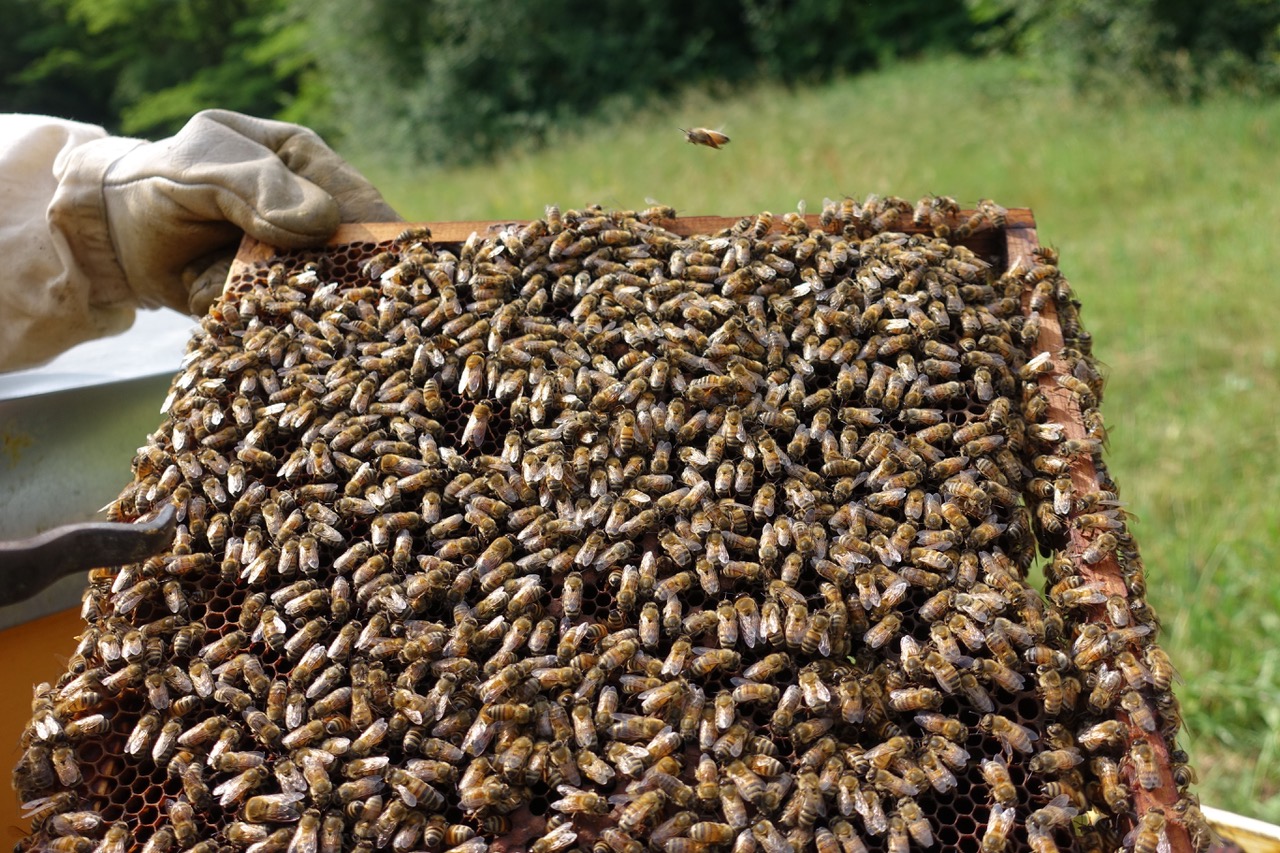
(Facebook external lead image: photo credit: Thomas Hawk Idaho Bees via photopin) (license)