What are the methods for planting and caring for tree stumps? Explained clearly in one article
What are the methods for planting and caring for tree stumps?
After a tree stump is dug up, it should be planted immediately. Before planting, the needed items should be prepared, such as nutrient soil, flower pots, branch shears, etc. Stump bonsai generally all require soil that drains well, has good air permeability, is rich in nutrients and rich in humus. For both newly planted stumps and finished bonsai, you can mix the soil yourself. The method for making potting soil is as follows.
(1) Take 5 parts garden soil, 2 parts leaf mold, 1 part decomposed soybean cake residue, 2 parts decomposed cow dung, 2 parts plant ash, and 2 parts yellow sand or river sand, mix thoroughly, and then use.
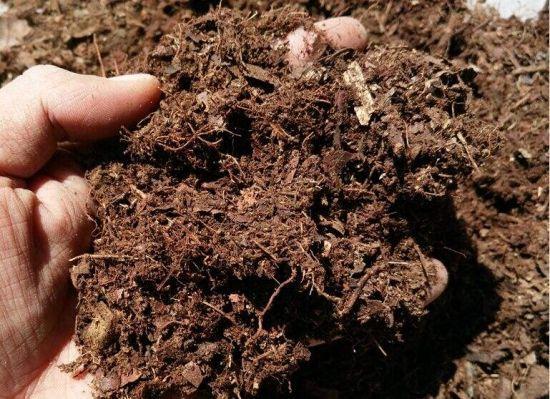
(2) Under pine and cypress trees (2) Under pine and cypress trees, dig up needle-leaf soil that has rotted over many years (photo). Needle-leaf soil is acidic soil, loose and airy, permeable, and beneficial to plant growth. After digging it back, you can also mix in some garden soil for use.
(3) It can also be made by composting garden soil with tree leaves. Make a compost pile with one layer of soil, one layer of tree leaves, and one layer of human waste or cow dung. In winter, turn it over to freeze, and sieve it the following spring.
For the rough stock, it is best to use a clay pot (photo 2) for planting. Clay pots are the best choice; clay pots are air-permeable and water-permeable, which helps the plant survive. The size and depth of the clay pot should be determined according to the size of the rough stock. Before planting, prune according to the shape of the tree stump, cutting off unnecessary branches on the upper part to reduce water evaporation and increase the survival rate. At the same time, cut off the damaged and diseased roots of the tree stump, and disinfect the roots. If conditions allow, a rooting agent can be added during planting. For large wounds on the trunk, cover and tie them with plastic film, or apply wound glue, to prevent the trunk from losing water. The planting method is the same as the general method for planting potted trees. First place a tile over the hole at the bottom of the pot, then add a small amount of nutrient soil to the bottom of the pot, then put the tree stump in, add soil around the roots, and keep pressing with your hands until the roots are buried in the soil.
After the new stump has been planted, water it thoroughly so that the soil and roots are fully in contact. Then place the potted tree stump in a semi-shaded environment. Water thoroughly again the next day. After that, water only after the soil has become somewhat dry, but every day you should mist or sprinkle water on the tree stump several times to reduce water evaporation from the stem and prevent it from drying out. Note that the amount of misting should not be large; try not to let the potting soil become too wet, to prevent root rot from overly wet soil. Potting soil that is too wet is also not conducive to the growth of new roots.
Because the rough stock will lose some water during digging and transport, the early stage after potting should focus mainly on keeping it alive. After new leaves grow, it can be moved to a place with suitable light for care, and the potted tree stump can gradually be moved to a place with better light for cultivation. While the new stump is growing, branches can be kept or removed according to shaping needs, laying the foundation for future bonsai creation.
In addition to water and fertilizer care and management, special attention should be paid to the following points when growing the rough stock.
(1) Cold protection. This is the key to the survival of the tree stump. In autumn and winter, newly planted tree stumps are already damaged themselves and lack cold resistance. If cold protection is not paid attention to, the tree stump will find it extremely difficult to survive. Methods of cold protection include placing them in a greenhouse, building a shed frame, or burying the pot in soil and covering it with soil for warmth. As long as the potting soil does not freeze, it is enough. Because newly planted tree stumps have a very strong capacity for root water uptake, newly planted tree stumps also cannot be placed in a greenhouse with relatively high temperatures, to prevent the tree stump from losing water and drying out. If the ambient temperature is relatively high, attention should be paid to frequently spraying water on the branches and trunk to reduce water evaporation from the tree stump.
(2) Prevent the "false survival" phenomenon. As soon as a newly planted tree stump sprouts, some people think it has already survived and then relax management. In fact, this is the "false survival" phenomenon. Because the plant itself has nutrients, as long as environmental conditions are suitable, even if new roots have not yet grown, the branches and trunk will also grow new buds. At this time, attention should be paid to management, ensuring water supply and preventing the tree stump from losing water. "False survival" is the first step toward true survival, because these new buds, leaves, and branches can carry out photosynthesis, promote earlier rooting, produce nutrients, and improve survival.
[Knowledge link][Jishan Huayao]
Water suitable for watering tree bonsai
(1) Tap water. Most households use tap water. When using tap water to water tree bonsai, it is best to let the water settle in a bucket or vat for one day before use.
(2) River and lake water. Residents in remote areas and mountainous areas mostly use river water or lake water for daily life. When using river water or lake water to water tree bonsai, be careful never to use polluted river water or lake water, otherwise it is harmful to tree growth and in severe cases can lead to tree death.
(3) Groundwater. In some areas, residents' water use is drawn from groundwater. Because the temperature of groundwater varies greatly, when using groundwater to water tree bonsai, it is best to put the groundwater in a bucket or vat for one day before use.