Plant and flower pot pairing secrets: make potted plants into works of art
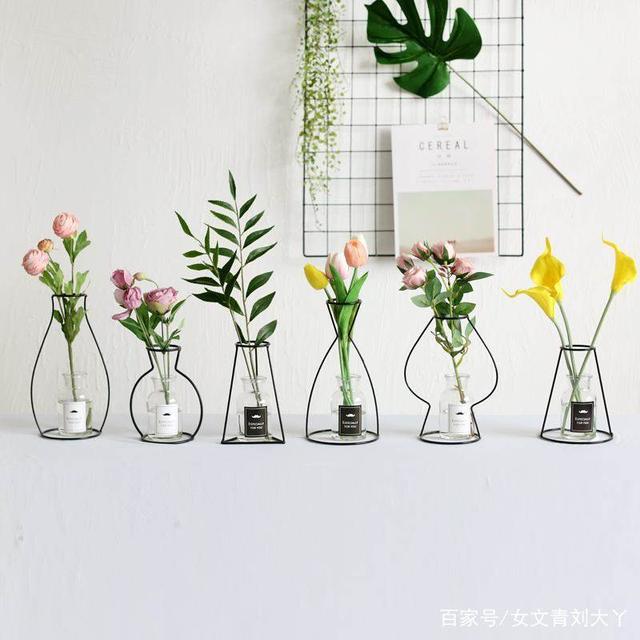
Anything we can use to grow flowers can serve as a flower pot, but pairing them well is not simple. Below we begin to reveal the three principles of pairing.
Principle one: the colors of the plant and the flower pot should be reasonably matched. When matching the colors of flowers and pots, people often hesitate, wanting the potted plant to be elegant and proper on one hand, while lacking a professional art background on the other.
A useful tool is recommended - the color wheel. How to use it: 1. Complementary colors contrast sharply; pair the colors at opposite ends of the color wheel's diameter, such as yellow with purple, orange with blue. 2. Analogous colors are harmonious and elegant; pair adjacent colors on the color wheel, such as yellow-green, yellow with yellow-orange, blue with blue-violet. 3. Monochromatic is tranquil; choose one color and express its variation through lighter and darker shades. Note: there can be only one main color, with the others serving as accents.
Principle two: the plant's habits should correspond to the flower pot's material. 1. Unglazed clay pots and purple clay pots: good for draining moisture and letting air through, suitable for drought-tolerant plants that need airflow. 2. Plastic pots, porcelain pots, glazed pots: poorer drainage and aeration, suitable for cultivating moisture-tolerant, moisture-loving flowers such as Monstera deliciosa, Cyperus alternifolius, spider plant, ferns, pothos, Areca palm, and so on.
Principle three: the plant and the flower pot should match in size. 1. Tall cylindrical pots, with a small mouth and deep body, are suitable for growing trailing plants and trees such as wisteria, spider plant, and ivy; 2. Pots with a wide mouth and moderate height are suitable for clump-forming plants and trees such as azalea, Aglaia odorata, crabapple, pomegranate, and cineraria; 3. Shallow pots are suitable for bonsai such as elm stumps, five-needle pine, and maple, or moss miniatures and other plants that need to be displayed spread flat; 4. Miniature palm-sized pots are suitable for growing small plants such as asparagus fern, cactus balls, and succulents.
Note: after the potted plant is paired, it should also echo the placement environment; blending into one makes it appear more elegant.