How to care for and manage bonsai in June?
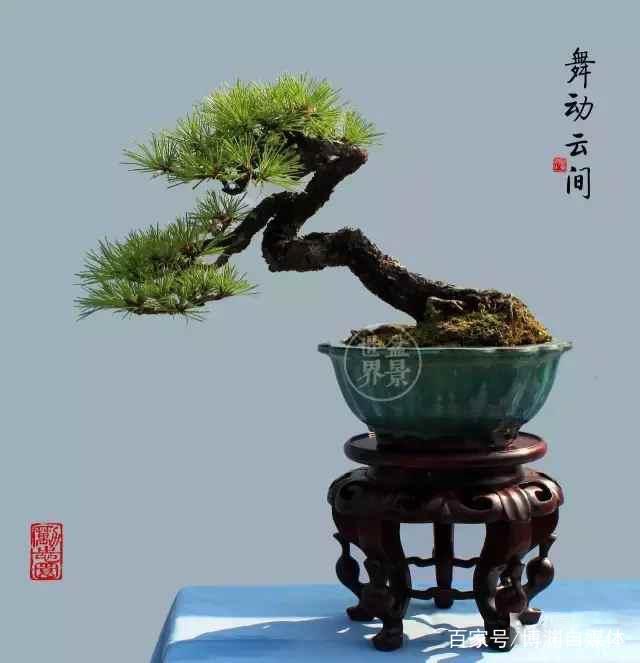
June is a fine season when grass grows and orioles fly, and the climate is very suitable for the growth of most bonsai plants; it is also a key period in the year for cultivating tree bonsai.
First, for sun-loving plants, continue to keep them in a place with ample light and good air circulation for care. For shade-loving plants, starting from mid to late June, shade them at midday as appropriate according to light intensity and temperature, or move them to a cool, ventilated place to prevent sunburn.
Second, as temperatures rise, bonsai plants need more and more water. Pay attention to increasing watering frequency in good time, and keep watering 1-2 times in the morning and evening. For bonsai that like humid environments, spray more water on the bonsai and the surrounding area to maintain humidity. When watering, stick to the rule of not watering until the soil is dry, and when watering, soak it thoroughly; do not give half-watering, and it is best to soak the pot to absorb water. During the plum rain season or continuous rainy weather, pay attention to sheltering from rain and draining water to prevent damage to branches, leaves and potting soil from strong winds and rainstorms.
Third, for flowering and fruiting bonsai, in June apply once every half month a diluted liquid fertilizer mixture of fully fermented cake fertilizer and phosphorus-potassium fertilizer; each time, it is better to make it thinner rather than stronger, and stick to light fertilizer applied frequently. However, during the plum rain period, if the potting soil remains wet for a long time, stop fertilizing. Combine fertilizing with loosening the soil and weeding, and water immediately after fertilizing.
Fourth, for vigorously growing new shoots, pinch the tips repeatedly, and promptly remove sprouts and root out shoots to save nutrients. For branches whose growth position or direction is unreasonable, you can bend them, twist them or wire them. If branches are too dense, too vigorous, too weak or too messy, you can thin them appropriately to facilitate shaping and cultivation as well as ventilation and light penetration.
Fifth, for fruit tree bonsai that bloom in June, hand-pollinate promptly at full bloom and spray 50ppm gibberellin to increase the fruit-setting rate.
Sixth, pay attention to observing the occurrence of pests and diseases, and if any are found, control them promptly.