Plant bare-root roses this way after buying them, and they will recover especially well within a few weeks
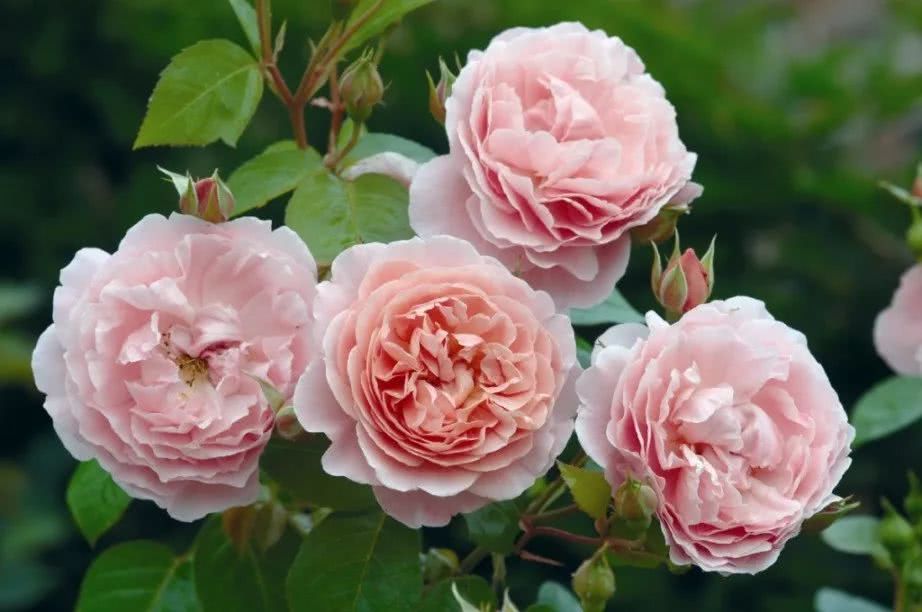
Sometimes gardening friends buy bare-root roses online, and when they arrive the roots are completely bare. What should you do then? Roses are very charming, with brilliant blooms and a wide range of colors, and they are fairly easy to grow. Below I will share my experience growing bare-root roses.
In fact, bare-root roses are relatively easy to keep alive, and the key is still the care in the later stage. They will basically survive once planted. It is best to buy them after the weather warms in spring, and avoid buying these bare-root roses online during frost season, otherwise they will freeze to death on the way.
When you get the roses, inspect them carefully and observe whether the branches and leaves are withered. Slight wilting of the leaves is normal. The most important thing is the growth condition of the root system.
For the bare-root roses you bought, cut off some of the withered roots, and also cut off rotten roots and blackened roots. Before planting, disinfect and sterilize the roots first. You can mix carbendazim with water at 1:1000, put the rose roots and stems in to soak for half an hour.
Some rose roots can be very long, even growing to 30-40 cm. First cut off the excessively long roots and leave about 20 cm, which can promote better root growth. After that, they can be soaked in a sink.
Before planting, completely remove all dead branches and fallen leaves. Then prepare loose, fertile, well-drained soil. You can choose to mix compost soil with peat soil and add some perlite as appropriate.
After soaking, loosen the roots to avoid all the roots being tangled into one ball. Planting without separating the roots will affect future growth.
You can first dig a relatively deep and wide hole. The hole should be cone-shaped, exactly matching the form of the rose root system.
After the rose is planted, water it thoroughly once with a rooting solution. Mix some rooting powder into the water as appropriate. Once dissolved, pour it into the soil to help promote rooting.
The picture above shows my planting technique. I use a stick to suspend it above the hole. At the bottom I put some compost or manure. Some gardening friends also put a banana at the bottom, which is said to promote flowering. Then you can slowly add soil into the hole. With this method, I can easily plant roses well by myself.
After the soil is covered, pay attention when watering. Do not use a strong stream of water to wash it. You can mix some rooting solution into it. When watering, check whether bubbles come out of the soil. If they do, it proves the soil has not been pressed down well, and you should press it appropriately.
After watering thoroughly, cover the soil surface with a layer of peat soil or leaf mold. Cover it for about a week. When the temperature is very high, do not cover the soil.
If the environment is relatively dry and the temperature is not high yet, you can prepare a waterproof kraft paper bag with an opening at the top and place it directly over the whole plant. This can maintain humidity. The opening at the top is to maintain ventilation and let light shine in, which can very well promote sprouting.
The place where roses are grown must be well ventilated, and they should receive more than 6-8 hours of light every day. Avoid keeping them in shady or poorly ventilated places. Fertilizer can only be added after one or two months of care.