A snake plant kept for 6 years actually bore fruit - the first time I've ever seen it, truly rare
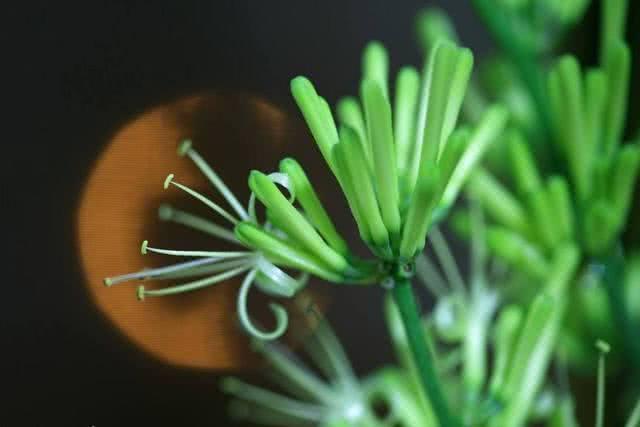
The snake plant (Sansevieria) is a common decorative plant in the home, because the snake plant has low requirements for its living environment, can survive without much sunlight, and has a good effect on purifying air and absorbing toxic substances, it releases oxygen almost around the clock, so many people also place a few pots in the living room or study, to achieve the purpose of lowering indoor carbon dioxide concentration. At home there is a pot of snake plant kept for six years, and this year it not only bloomed but also bore fruit. Having grown up this long, I've still never seen it before - it's truly rare!
The snake plant usually blooms only once about every 5 years, so a blooming snake plant is relatively rare to see - that is to say, not every plant will bloom, and it won't bloom every year either, perhaps only once every few years, or even over a dozen years, so growing this flower requires patience and perseverance. In fact, as long as it is cared for properly, the snake plant can bloom every year. If you want your own snake plant to bloom and bear fruit, it is actually very simple - just follow everything said below.
The snake plant has low fertilizer requirements. During the growing season, apply 1-2 times a month of dilute liquid fertilizer; during the active growth period, apply standard liquid fertilizer once a month, to ensure the leaves are verdant and thick. Do not over-fertilize; generally use compound fertilizer. During the peak growth period, apply fertilizer 1-2 times a month; decomposed compost or nitrogen, phosphorus, and potassium are all fine; or evenly bury 3 holes of cooked soybeans in the soil at the edge of the pot, 7-10 beans per hole, taking care not to let them touch the roots. From November to March of the following year, fertilization should be stopped.
The snake plant needs moderate watering; grasp the principle of preferring dry over wet. Usually you can wipe dust off the leaf surface with clean water, to keep the leaves clean and shiny. In spring, when new plants sprout at the root crown, water appropriately more, keeping the pot soil moist; in the high-temperature summer season, also keep the pot soil moist regularly; after late autumn, control the amount of watering, keeping the pot soil relatively dry, to enhance cold resistance.
The snake plant has a relatively wide range of adaptability to light. In an environment with sufficient light it grows robustly, with vivid leaf color, so throughout the year, except for the midsummer months of June to September when it should be placed in partial shade, at other times it should be given sufficient light. But it is also very shade-tolerant; placed in a darker indoor spot for a long time it will not die, but its growth rate will noticeably slow. For such a potted plant, it is best after 1-2 months to let it slowly receive more light, with a transitional easing period in between. Note that you cannot immediately place it in a spot with strong light, as this easily scorches the leaves.
If you can do the above points, after growing it for four or five years it can bloom and bear fruit. But the snake plant has a condition for bearing fruit: it needs moths to pollinate it. Of course, flower enthusiasts can also pollinate it by hand.