If you don't pay attention to these points when caring for succulents, no wonder they get thinner the more you grow them
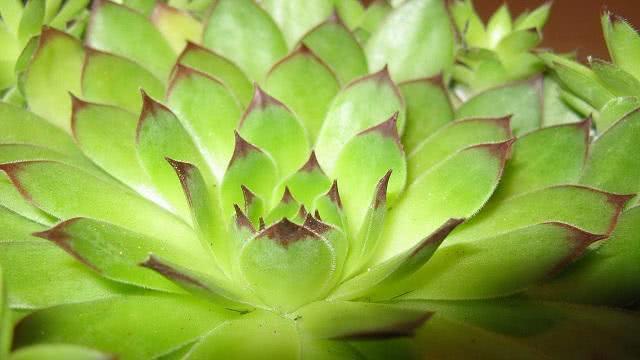
Water moderately: during the succulent's growing season, water once every half a month, and water thoroughly. Mix the soil: use a blend of peat soil, granules and plant ash. Control the temperature: around 20°C, and make sure the temperature difference between day and night is large. Prevent and control pests and diseases: once they appear, take measures promptly. Provide moderate light: light must be sufficient, and when you water more heavily, extend the light exposure time appropriately.
Ah
1. Water moderately
If you want to grow plump succulents, water is a very important step. Only when the plant uses its leaves to store water can it look plump. However, more water is not always better. On the contrary, too much water makes the plant grow leggy. Being too dry is even worse: once the water is used up, the leaves shrivel. So watering requires careful attention.
Generally speaking, the growing seasons are spring and autumn; at this stage, watering about once every half a month is enough, in the morning or evening, watering thoroughly each time. In summer the plant goes dormant and cannot take up much water, so water once a month, in small amounts, without soaking it through. At the same time, keep rain from falling on the succulents. Winter is the same as summer.
2. Soil mixing
If you want the plant to grow plump, you need to pay attention to the soil. It is best to mix it yourself, using 40 percent peat soil, 50 percent granules and 10 percent plant ash.
3. Temperature and temperature difference
The temperature just needs to be in a suitable range, around 20°C. Besides that, pay attention to the temperature difference too; keep it as large as possible, which helps the plant grow plump.
4. Preventing and controlling pests and diseases
Once pests or diseases appear, discover them promptly and take measures. Prevention should come first; for example, plant ash can be used, since it serves both as fertilizer and for preventing certain diseases and pests.
5. Sufficient light
Generally speaking, as long as the light is sufficient, that is enough, but light is also connected to watering. When you water heavily, the light exposure time should also be extended, which helps it grow plump.