How to Care for Snake Plants in High-Humidity Environments? Simple Methods, Highly Ornamental
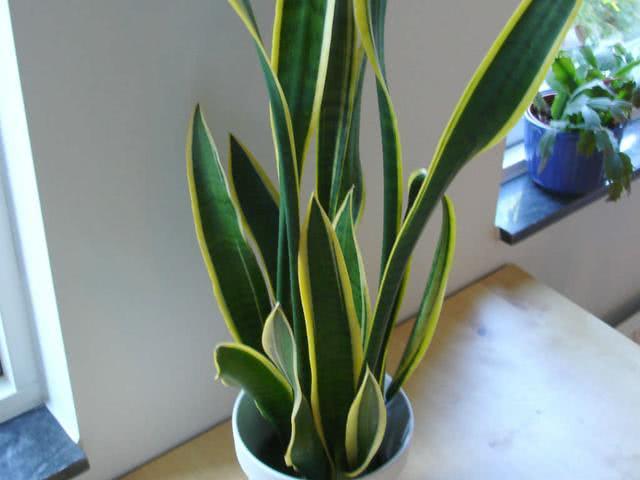
The snake plant (Sansevieria) is a common potted plant, and many people like to place one or two pots of snake plants in their living rooms, as they not only add beauty but also purify the air. But recently, some flower enthusiasts have asked, how do you care for snake plants in high-humidity environments? How should this be solved? As a responsible editor, I think I should explain this in detail for everyone.
Regarding the questions raised by the flower enthusiasts above, the editor will provide a few solutions here.
Solution by Cuttage
(1) Using the root cuttage method
Once a snake plant's roots have rotted, it is already impossible to save the entire plant back, and the only effort that can still be made is to try your best to let the snake plant survive again. First, cut off the rotted roots, then disinfect and sterilize them, because rotted roots can store a large amount of bacteria.
Next, dry the snake plant in the sun and let it be recultivated.
(2) Using leaf cuttage
The root cuttage method mentioned above is a relatively simple one, but correspondingly, its survival rate is also relatively low, so the editor will also introduce one here called leaf cuttage. Take out the previously root-rotted snake plant and find leaves that still have root tissue.
Then carry out cuttage. Although this method has a high survival rate, its growth is very slow, and in severe cases it may even produce mutations.
The methods mentioned above are suitable for solving the problem of snake plants with a relatively high degree of root rot. How do you determine a high degree of root rot? That is when you find that the root ball already has an unusual smell, and all the roots of the snake plant have rotted. At this time, the above two methods are suitable. But considering the different situations of flower enthusiasts, the editor also has countermeasures below. Keep reading.
Solution by Daily Care
(1) Reduce the frequency of watering
If the degree of root rot is not yet high, you can use the following method, which is to use daily care to help the snake plant survive again.
The snake plant is a plant that does not need too much water. If the root rot of the snake plant was caused by watering too frequently, then at this time you can reduce the frequency of watering, then take the snake plant out to dry in the sun, and afterward place it in a ventilated spot for air circulation.
After some days, the snake plant will also recover.
(2) Increase the frequency of repotting
Another possibility for the snake plant developing root rot is that the bacterial content at the bottom of the pot is too high. At this time, you should repot it more often. During the repotting process, you need to turn out the soil, then take the flowerpot to disinfect and dry it in the sun. Wait until the bacteria are all eliminated, then put in some soil with high humus content and good drainage performance.