Why does watering orchids require three years of practice? It's only because you haven't mastered this technique
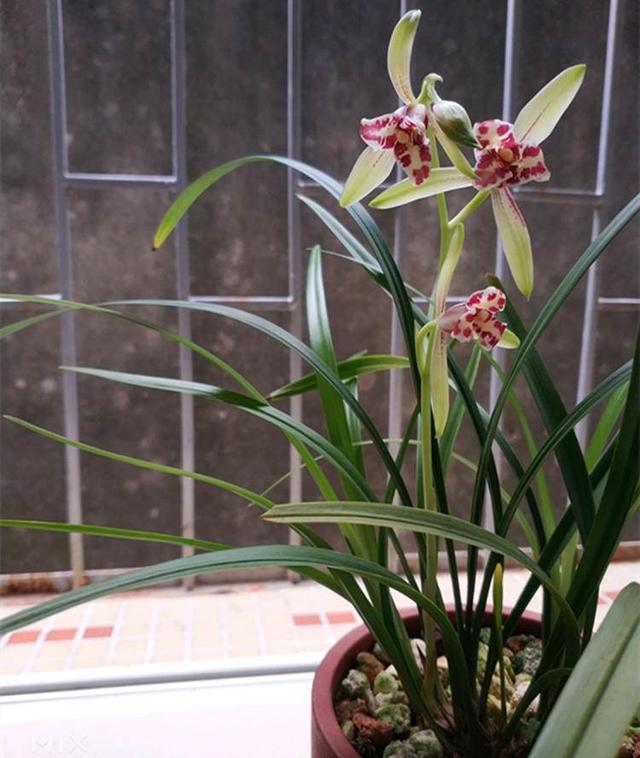
Orchid growers all know this principle: understanding orchid care takes a moment, but watering takes ten years of practice. It's said that the key to growing orchids is watering, but if growers can master this "skill" of watering through the four seasons and the twenty-four solar terms, orchid care will no longer be a problem.
So, what is the twenty-four solar terms orchid watering method? How do you master this "skill"? Please read on carefully:
1. Start of Spring, Rain Water: during this solar term, Cymbidium orchids have already bloomed, so the soil should not be too dry; moisten it slightly along the edge of the pot; if the pot of autumn orchids has not dried all the way through, do not water.
2. Awakening of Insects: when the Cymbidium orchid pot has dried to half the pot (dry on top, compact below), you may moisten it with water, but not too much; autumn orchids are the same as during Start of Spring and Rain Water.
3. Spring Equinox: Cymbidium orchids have finished flowering and should avoid dampness; when the pot is half dry, you may moisten it with water.
4. Pure Brightness, Grain Rain: do not let the potting soil become too dry; moisten with water every 5 days.
5. Start of Summer: orchids begin to be moved outside, and it is suitable to water thoroughly once. Using a watering can with an even flow is more suitable for watering.
6. Lesser Fullness: the potting soil should not be too dry or too wet; spots appearing on the leaves mean it is too wet, and withered tips on new shoots mean it is too dry. Water 1 liter every 4 days, so that the bottom 2/3 of the potting soil becomes moist.
7. Grain in Ear: during this solar term, the air is dry, so when growing orchids, pay even more attention to avoiding both excessive dryness and excessive wetness.
8. Summer Solstice: the potting soil must not be too dry. If there is heavy rain, it can only endure it for one day; if there are consecutive cloudy and rainy days, the pot needs to be moved to a ventilated place.
9. Lesser Heat: at this time the air is too humid, and the fear is not dryness but excessive wetness, so the pot should be placed in a ventilated spot; if it is hot and dry with little rain, water 1 liter every 2 days. After one heavy rain or one heavy wetting, you must wait until the potting soil has dried to 2/3, otherwise it should not be watered again.
10. Greater Heat: orchid potting soil easily dries all the way through, so growers must note that it is only suitable to water heavily once per day.
11. Start of Autumn: at this time orchids are in need of moisture, so water 2 liters every 3 days, and it is suitable to shelter them slightly from the wind
12. End of Heat: water once every 5 days; except during continuous moldy rain, orchids can be exposed to rain and dew.
13. White Dew: autumn orchids need frequent watering even more than Cymbidium orchids, but after heavy wetting they must dry out heavily, and then they can be watered wet again.
14. Autumn Equinox: if autumn orchids have already produced flowers at this time, water slightly less; if they have not produced flowers, water slightly more. At this time, when watering, you should appropriately supplement fertilizer for the orchids by adding orchid-specific organic nutrient solution to the water, diluted 500 times; while watering, it also supplements nutrients and promotes orchid growth.
15. Cold Dew: autumn orchids should be watered thoroughly, while Cymbidium orchids should not be watered thoroughly, but rather moistened.
16. Frost's Descent: orchids should be moved indoors for care, and the watering time should be changed to midday; after watering, they must be placed in the midday sun for a while.
17. Start of Winter: at this time orchids should be moistened with water, about half a liter every 5 days.
18. Lesser Snow: at this time, note that orchids in the greenhouse should not be too warm, meaning the temperature should not be too high, and they should not be too wet; if too damp, it easily causes root rot and even withering. If the potting soil has not dried to the bottom, growers only need to slightly moisten the surface of the soil.
19. Greater Snow: autumn orchids do not need water, while Cymbidium orchids should be slightly moistened.
20. Winter Solstice: at this time orchids should not be irrigated at all.
21. Lesser Cold: at this time, watering is taboo in orchid care.
22. Greater Cold: autumn orchids still do not need water, while Cymbidium orchids can be slightly moistened with water.
The above experience of watering orchids according to the twenty-four solar terms is based on general climatic conditions. If the climate is special, growers need to adjust according to local conditions.