Growing roses in yellow mud gets mixed reviews, but the flowers it produces are truly gorgeous
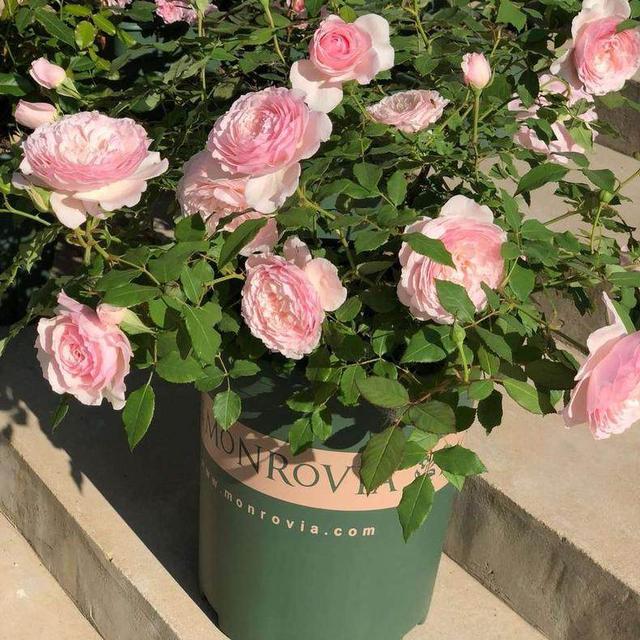
When people grow roses, they like to use garden soil or mix their own soil, but have you ever tried growing them in "yellow mud", that is, pure loess? Flower lovers have mixed opinions about the pure loess growing method, and opinions vary. For a while, even I found it hard to judge, but to verify the different claims, I specially tried it once before, so today I will talk about my view.
Previously it was often said that most people growing with loess were beginners. A friend of mine also had this experience. He grew roses in pure loess, and these roses stayed in the yellow mud for more than 20 days. At first, all four roses were grown in loess. Later, thinking that growing them in loess was not good, he bought coconut coir online, and also got coal cinders, plant ash, river sand, loess and dried bamboo leaves, mixed them together and repotted the roses.
Actually, in my view, growing roses in loess is not that bad, but the key is to master the method. I also tried this kind of pure loess growing, but later it clumped severely, so I repotted them. When repotting, I saw that they had grown relatively thick white roots, thicker than the roots at planting time.
Blue Rain and Guanxiao Yi also sprouted and grew a few flower buds, but the flower buds were eaten by katydids. Blue Rain also sent out two shoot buds. Including the later roses, there were seven in total, but except for Blue Rain, which was not repotted and continued to be grown in pure loess, I repotted the other six.
The previous soil was severely compacted. At first it was fine, but in the later stage it became so hard that even a shovel could not dig into it. But the pot that was not repotted remained appropriate all along, and the clumping was not severe.
I think growing strong medium and large seedlings in loess should be no problem, but for small seedlings, loose and breathable nutrient soil is better. The reason Blue Rain was not repotted before was, first, because it was already relatively strong and its roots had become much thicker, and second, because its soil clumping was not that severe, so I wanted to give it a try.
Later I kept loosening the soil in that pot of loess and applied fertilizer with a rose-specific nutrient solution. If nutrition keeps up, there is actually not much of a problem, and if you pay attention to the method, the problem of soil clumping can also be solved. Growing in loess is no pressure at all.
That pot of Blue Rain kept blooming very well. I think pure loess growing is still workable. When watering, be careful not to water too aggressively or too much. With loess, watering too much easily causes clumping, so still take it slowly and water thoroughly little by little, and you can prevent the problem of surface caking.
Pure loess is the best medium for cuttings of various plants. It contains few bacteria, insect eggs and impurities, has a high water retention rate, and its adhesion rate is favorable for rooting. The survival rate of cuttings is higher than 90%, and black stems are rare. Farms and seedling nurseries all go deep into the mountains to dig raw loess as the substrate layer for plant cutting nurseries.
For various growing methods, there are pros and cons. Choosing the most suitable one based on your own environment and situation is the best. So flower lovers who are already growing in loess, if the results are still okay, do not waver because of what others say. And flower lovers who still have not mastered how to prevent soil clumping, do not follow the trend. What suits you is the best.