Wild grass "pheasant tail" was once known only to farmers in the mountains, and now it sells for 10 yuan per jin as a rare commodity
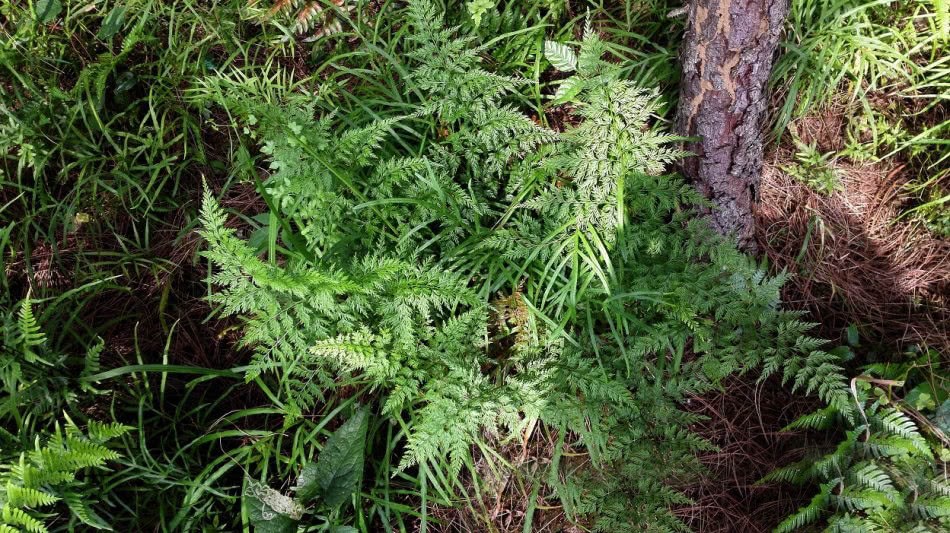
As the saying goes, "Those who live by the mountains eat from the mountains, those who live by the water eat from the water." For farmer friends living in mountainous areas, this saying is undoubtedly very true. In the mountains of rural areas, there are all kinds of wild grasses. For these wild grasses, most farmer friends in mountainous areas are very fond of them. Some wild grasses can be eaten as wild vegetables, some can cure diseases, and quite a few farmer friends, in their spare time, even go into the mountains to dig up some wild grasses to sell for money to supplement their household income. Therefore, they are quite familiar with many wild grasses.
However, for most people, there are still quite a few wild grasses they are not familiar with, especially those that look strange. Below, the author will introduce one such strange wild grass that many people do not recognize.
In the afternoon, the author went into the mountains with several farmer friends from the village to dig wild grasses, and saw quite a few strange wild grasses in the mountains. One of them was very interesting, and these farmer friends from the mountains called it "pheasant tail" or "peacock tail."
When most people first hear "pheasant tail" or "peacock tail," they might think it is the tail of a pheasant or a peacock, right? Actually, it is not. It is a wild grass. The reason it has such a strange name is that its leaf shape resembles a pheasant's tail and also looks like a peacock spreading its feathers, hence the name.
In fact, the scientific name of pheasant tail is "Onychium japonicum" (Japanese claw fern). If you are not familiar with it, you might think it is celery, because its leaves and stems are very similar to celery.
Onychium japonicum is a rather uncommon wild grass. It is mainly distributed in Shaanxi, Henan, Hubei, Hunan, Sichuan, Hebei, Guizhou, Yunnan and other places in China, and it mainly grows in shady, damp places such as under trees in mountain forests or beside streams. Therefore, apart from older farmer friends in the mountains, outsiders generally have never seen this wild grass, let alone recognize it.
Although this wild grass looks strange, in the hearts of many farmer friends in mountainous areas it is a great treasure. It was once a good medicinal herb for treating illnesses among many poor people in the mountains.
According to what these farmer friends from the mountains told the author, the whole plant and roots of Onychium japonicum can be used as medicine. It tastes bitter and is cool in nature. The whole plant used as medicine has the effects of clearing heat and detoxifying, reducing internal heat, stopping bleeding and draining dampness. It can be used for injuries from falls and blows, burns, scalds, diarrhea, jaundice, hepatitis, dysentery, coughing up blood, rabies bites, and poisoning from food, pesticides and drugs.
Its roots used as medicine have the effects of clearing heat, cooling blood and stopping bleeding, and can be used for symptoms such as externally contracted wind-heat, sore throat, vomiting blood, blood in the stool and blood in the urine.
It is precisely because Onychium japonicum has these excellent medicinal values that it is deeply loved by farmer friends in mountainous areas. Moreover, according to these farmer friends from the mountains, because this wild grass does not exist outside the mountains, it has now become a rare commodity and can sell for about 10 yuan per jin. On ordinary rest days, they come into the mountains to dig some to sell to supplement their household income.
It seems there really are many treasures in the mountains of rural areas, but the author reminds everyone not to over-harvest and over-dig, and to still take good care of the natural environment!
Dear friends, do you recognize "Onychium japonicum"? You are welcome to leave a message and share your thoughts!