A detailed explanation of the applicable methods for the most common bonsai
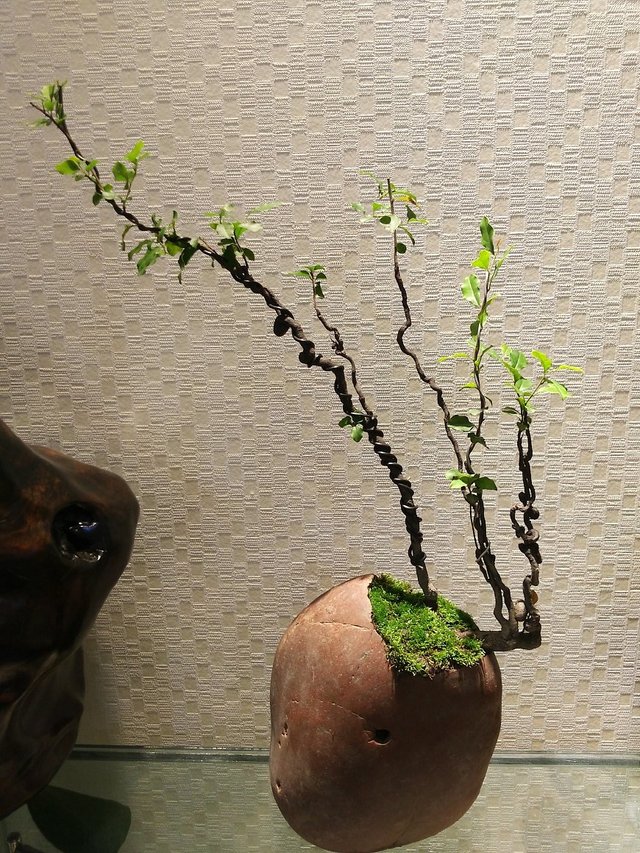
Usually, we simply call tree stump bonsai "stump scenery." Woody plants are often used as the production material, selecting plants with graceful and beautiful posture, short stature, round and small leaves, a relatively long lifespan, pruning tolerance, strong resistance, and easy shaping. Without violating the tree's growth habits, leaf picking, pinching, and other such practices can inhibit its growth and be used for shaping and processing. In the cultivation process of this kind of bonsai, the maker can process it according to their own intentions into various artistic forms, such as gnarled and intertwined roots or vigorous and upright.
Rock bonsai: Rock bonsai can be called a miniature of natural pastoral landscape scenery. It mainly focuses on rocks, and through technical treatments such as sawing and cutting, carving and chiseling, corrosion, gluing, and splicing, it creates a unique artistic conception with a feeling of returning to rural life. The basin can store and spray water to create a fairyland wrapped in mist and clouds, sometimes decorated with pavilions, boats and bridges, figures, animals, and other components, and can also often be paired with trees or small plants. Through artistic processing, it creates an artwork that originates from nature yet rises above nature, condensing the beauty of mountains and rivers and reproducing it in the basin.
Miniature bonsai: Miniature bonsai is a kind of exquisite bonsai mainly based on flowers and plants. It is formed by adding small accessories such as rocks. It usually uses stone calamus, asparagus fern, saxifrage, spider plant, orchid, lucky bamboo, narcissus, chrysanthemum, banana plant, reeds, and other casual flowers and wild grasses. Miniature bonsai emphasizes small forms, exquisite and unique shapes, and pays even more attention to the connotation of overall artistic beauty. The various ornaments of each small group of bonsai need to show different forms, and attention should be paid to the overall layout. With a balance of gathering and scattering and a prominent theme, it finally achieves the maker's artistic conception and aesthetic taste. This is where the vitality of miniature bonsai art lies.