DIY Acidic Soil: A Few Simple Steps to Grow Jasmine and Gardenia Well Without Yellow Leaves and With Daily Blooms
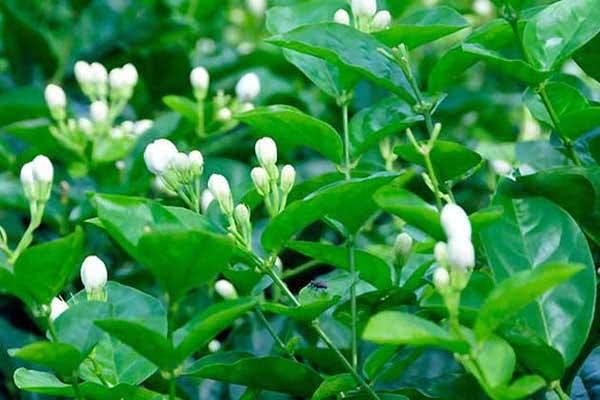
Many people love the fresh fragrance of jasmine and gardenia, yet they can never seem to grow them well. Either the flower buds drop or the leaves turn yellow, which is quite a headache. Why is that?
It turns out the pH of the soil is the culprit. Soil in the north is mostly alkaline, and for acid-loving flowers like jasmine and gardenia, it causes a bit of an adjustment problem. But that is no problem. Today, the editor will teach everyone how to make acidic soil at home. Let's learn together!
Steps for Making Acidic Soil at Home
There are two methods for making acidic soil: 1. The direct method; 2. The improved method.
Let's look at the first method first.
If you want your flowers to grow vigorously, good soil is the key. To find good soil, we need to put in some effort in our daily lives, so that it is convenient when the time comes to use it.
1. There are many fallen leaves in the woods. When we go out, we can take a convenient bag and bring some back to make our own leaf mold.
2. Spread a layer of soil at the bottom of the flower pot, then add some of these fallen leaves, cover with soil again, then spread another layer of fallen leaves, and repeat this process. Three or four layers will do.
3. After everything is layered, water it thoroughly. Then add some ferrous sulfate, seal it up, and place it in a warmer spot to compost the soil.
4. Open it up and check every so often, keeping it moist. Generally, in 4 to 6 months you will have acidic soil.
5. Acidic soil can be used to grow flowers such as orchid tree (Aglaia odorata), camellia, jasmine, gardenia and azalea.
Now let's look at the steps for the improved method.
This time, everything used is a common household item, so there is no need to go looking for anything!
1. Vinegar (preferably salt-free rice vinegar). Mix vinegar and water at a ratio of 1:100 and water acid-loving flowers with it. This can quickly change the pH of the soil, turning alkaline soil into slightly acidic soil.
2. Fruit peel water. Don't throw away apple peels and leftover fruit cores. Soak them in water overnight, then use this water to water your flowers. It can gradually turn alkaline soil acidic.
3. Rice washing water. Many friends say rice washing water is very useful, as it can both change the pH of the soil and serve as fertilizer. That is indeed true. Note that before using it, it must first be fermented. Add water, seal it, and in warm temperatures it will be fully fermented after two weeks. Then mix it with water at a ratio of 1:20 and water your flowers with it.
With acidic soil, successful jasmine growing is guaranteed!
So what else do you need to pay attention to when caring for jasmine?
1. Light must be sufficient.
Jasmine likes hot, humid, well-ventilated environments and needs plenty of light. Jasmine is afraid of the cold, so in the north, good insulation work is needed in autumn and winter.
2. Do not water too much.
Jasmine is fairly drought-tolerant. Generally, wait until the soil is more than half dry before watering, and watering once a week is enough. Watering too much easily causes leggy growth.
3. Fertilizing must keep up.
During the growing season, jasmine needs attention when it comes to fertilizing. Normally you can apply a multi-element fertilizer, and you can also mix chicken manure or bone meal into the soil as a base fertilizer. During the bud stage, you can apply a phosphorus-potassium fertilizer. Only with enough nutrition can it produce more branches and flower buds.
4. Pay attention to pruning.
Jasmine generally blooms on new branches; old branches do not bloom or bloom very little. So after jasmine finishes blooming, be sure to prune the spent flowers and branches in time.
There are the following two principles for pruning:
During the flowering period, if the flowers are opening slowly, be careful to cut off weak buds and the leaves near large flower buds, so as to ensure the flowers open.
In spring, jasmine can be heavily pruned. Even if only bare stems are left, as long as the root system is fine, it will quickly grow back. Normally, after flowering, leave only two pairs of leaves and two growth nodes on each branch, and cut off everything else. Heavy pruning is meant to promote the development of side branches and make the jasmine fuller.
Now that you have learned these methods, try tending to your beloved jasmine. Do you feel a little eager to give it a try? Haha, then get moving right away!