Growing chives in a foam box, a whole big patch grows on the balcony, harvest every day and the more you eat, the more they thrive
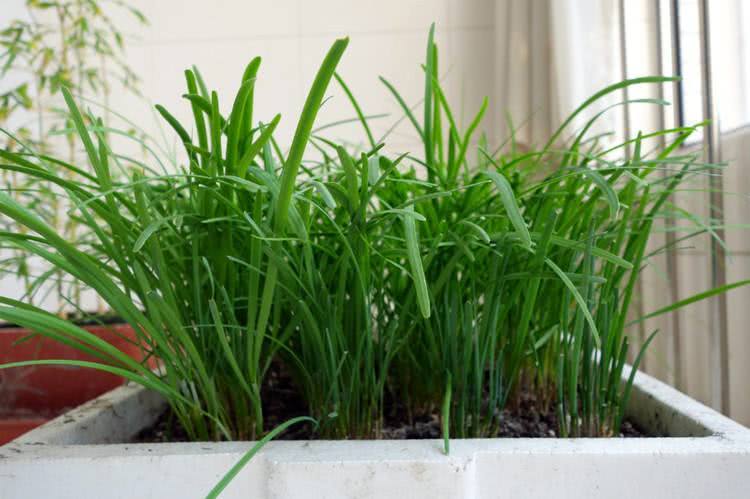
Growing chives on the balcony is the most economical choice! As long as you have enough space, grow some chives yourself - green food, convenient and reassuring to eat, what a great thing!
How do you grow chives on a balcony? Let's take a look:
1. Choosing pots and potting soil
Most people grow chives to eat them, so as long as you have space, grow as many as you can. When choosing a pot, pick a larger one. At home I use a rectangular foam box to grow them, and the harvest is pretty good. You can find a foam box, drill a few holes in the bottom, and set it aside.
Use garden soil and leaf mold mixed at a 1:1 ratio, or the blackened rotted soil layer under piles of firewood and straw by the roadside works especially well too - mix it half and half with garden soil. A soil depth of 15-20 cm is fine. Add some base fertilizer to the soil, preferably organic fertilizer you've composted yourself, cake fertilizer or farmyard manure, but indoors these fertilizers have a bit of an odor, so you can also add a little compound fertilizer as base fertilizer.
A potting soil that is both loose and airy, and rich in nutrients, is ready!
2. Planting chives
Go to a flower shop or an online store and buy some chive roots. Buy the purple-root small chive variety - this kind of chive is delicious. The wide-leaf tall kind looks nice, but doesn't taste as good as the purple-root one. You can also buy seeds to plant, but it's too much trouble, and the seedling quality isn't necessarily good. Beginners should just buy chive roots, it's simple.
Then plant the roots into the soil. Because the space is small, the roots can be placed right next to each other or with a little gap. The row spacing should be about 7-10 cm. Its roots multiply a lot, so you need to leave a certain amount of space. When planting, the chive crowns should be exposed, not completely buried in soil - otherwise the chives will suffocate and won't grow well.
After planting, water thoroughly and place it outside the balcony, or outside the security grille.
3. Plenty of sunlight
Plenty of sunlight is very important. Chives are not afraid of sun exposure, except on days above 40°C, when you can shade them appropriately. After all, this isn't open ground - the blazing sun won't kill them, but they will still be uncomfortable. As long as the temperature is below 35°C and above 15°C, you don't need to worry about them. Through wind and rain, they will still grow very well.
4. Watering
Chives don't need to be watered too often. As long as the potting soil isn't dry, there's no need to water. When the temperature is high, watering once a week is fine, or water thoroughly once the soil dries out. Too much water easily causes root rot. So growing chives doesn't require being too diligent!
5. Fertilizing
Since sufficient base fertilizer was applied earlier, there's no need to fertilize again before harvesting. After one harvest, make a furrow in the empty soil, put cake fertilizer or compound fertilizer in it, then cover it with soil. The concentration shouldn't be too high, and it shouldn't be too close to the roots, or it may burn them. Fertilize once after each chive harvest, and no need to fertilize normally.
If you do these few things well, you'll harvest a pot of glossy green, thick and sturdy chives! Super delicious! Harvest once a month is enough - harvest too often and the chives grow thin and don't taste good.