Rose summer care tips, with a focus on preventing black spot disease and scale insects
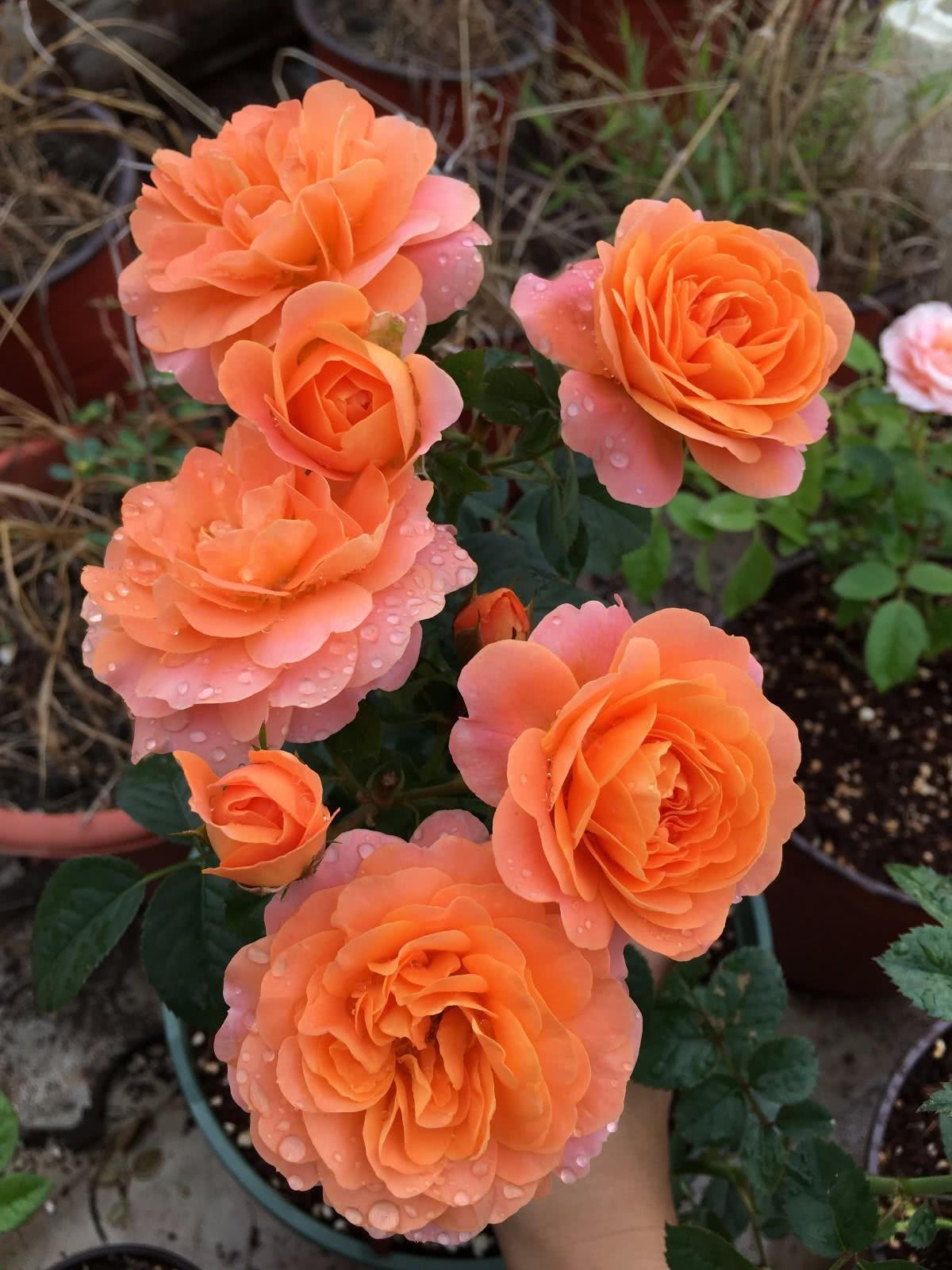
Roses have always been my favorite, and I believe they are also the favorite of many flower lovers, because there are many varieties, the flower colors are gorgeous, and they can bloom every month, making them very suitable for balcony growing. Many flower lovers feel that no matter how beautiful roses bloom, once summer comes, they are still a terrible sight! In fact, some roses bloom well in summer too; just do these few things well.
1. Purchasing. The usual blooming period for roses is from August to April of the following year. Once the blooming period ends in May, the hot and rainy summer begins, and roses enter a dormant and semi-dormant state. But some varieties are summer-blooming flowers, such as Red Eden Rose, which is a particularly sun-tolerant rose variety, with a blooming period from March to December, and it still blooms without fading at high temperatures above 30 degrees.
2. Shading and watering. Summer temperatures are too high, and it is easy for the potting soil to be heated through, affecting the growth of roses, so shading work should be done. You can use shade cloth or the method of placing a small pot inside a large pot to lower the temperature. The gap between the two pots in the large-pot-over-small-pot method can be filled with some pumice, which gives a better cooling effect.
Summer temperatures are very high, and the water in the potting soil evaporates quickly, so you can water about once every 2-4 days. Flower lovers can try a plant and flower detector, which can accurately detect the soil water and fertilizer conditions in the flowerpot. Remember not to use water directly taken from the tap, because the water contains many hard substances that will affect the rose roots. Every morning and evening, you can also spray water on the rose leaves. Summer is a high-incidence season for rose black spot disease, so you can grind garlic, ferment it, dilute it with water, and spray it on rose leaves, spraying about once every 10 days, which can effectively prevent pests and diseases.
3. Light fertilizer, frequent application. If roses are to bloom in summer, they also need fertilizer, and the principle of light fertilizer applied frequently should be followed, applying a thin fertilizer about once every 15 days. You can choose Huadongde organic nutrient solution specially made for roses, made by fermenting sugarcane molasses, rich in humus, which can effectively promote the absorption of nutrients by rose roots. After long-term use, rose flowers will bloom larger and more brilliantly!
4. Thinning branches and pruning. Roses grow relatively quickly. Throughout the entire growth period, blind branches, residual branches, and diseased branches should all be pruned. This not only ensures the beauty of the rose's shape, but also avoids wasting nutrients, and it is enough to keep the main branches. Only in this way can the supply of nutrients be concentrated, ensuring that the flowers bloom large and brilliant!