Roses light up life; where there are flowers, there is romance
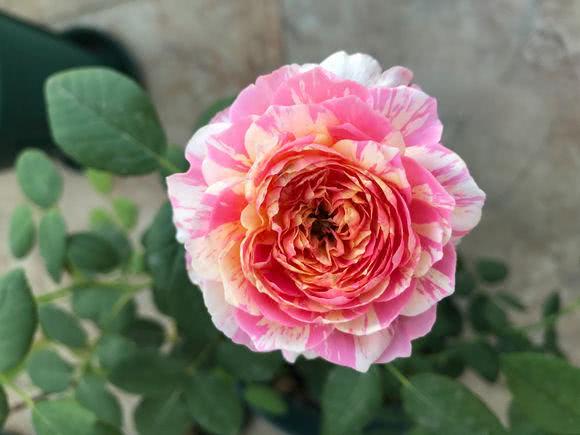
It is often said that people who grow flowers are happy and have a taste for life, and that is true. Huahua thinks people who grow roses have even more romance. Where does this romance come from? It comes from the process of growing flowers and the process of harvest.
Light
Everyone says growing roses is difficult, and Huahua also finds it a bit difficult, because Huahua's balcony is really not suitable for growing roses. It is a north-facing balcony with insufficient direct light, and roses are flowers that absolutely love light. If there is not enough light, they are extremely prone to leggy growth, and pests and diseases also come quickly. They can bloom, but the blooms are relatively small and relatively few. Anyway, it was just a lot of fuss.
Fertilizing
Besides light, you must give roses the right fertilizer, because roses quite like fertilizer. With sufficient fertilizer, they sprout more, and you should usually fertilize fairly diligently. Before flower buds appear in the flowering season, use fermented rapeseed cake, soybean cake, and chicken and duck manure liquid fertilizer about once every 7 days, with a fertilizer-water concentration of 20%.
After the flowers fade, use an ecologically safe organic nutrient solution about once a week, diluted with water more than 800 times. After late August, when the weather gradually turns cooler, the amount of fertilizer can be appropriately increased, with the fertilizer water diluted about 500 times. After November, it is best to fertilize about once every 10 days, using light fertilizer, generally diluted about 800 times.
Finally, pay attention to the issue of watering, because the amount of water varies by season, and also because roses have different growth stages and different development conditions, so the amount of water must be controlled well.
In spring, summer, and autumn, watering before 10 a.m. every day is more suitable. In winter, generally water after 2 p.m. The water temperature must be well controlled, and it is best to have it close to the soil temperature, with a temperature difference of no more than 5 degrees. When watering, control the moisture well. Watering until water comes out of the bottom of the pot is enough. Too much water easily causes soil and water loss, or causes root rot.
Drainage
If too much water has been given, drain it appropriately, or let water out. Check the dry and wet condition of the potting soil around 4 p.m. every day, and appropriately replenish water. If the weather is especially dry, do not be limited by time or the number of waterings, and keep the soil moist.
If there is relatively more rain in summer, also do a good job of draining water. If rainwater causes waterlogging in ground-planted roses, you can dig trenches to drain it. For potted roses, you can appropriately tilt the flowerpot to pour the water out.
Controlling watering
If winter arrives, you should appropriately control watering for roses, because this is the period of winter dormancy for roses and also a period of energy storage, but roses have not yet reached the sprouting stage. To prevent leggy growth and root discomfort, you should still appropriately control the amount of watering. The soil just needs to be slightly moist.